
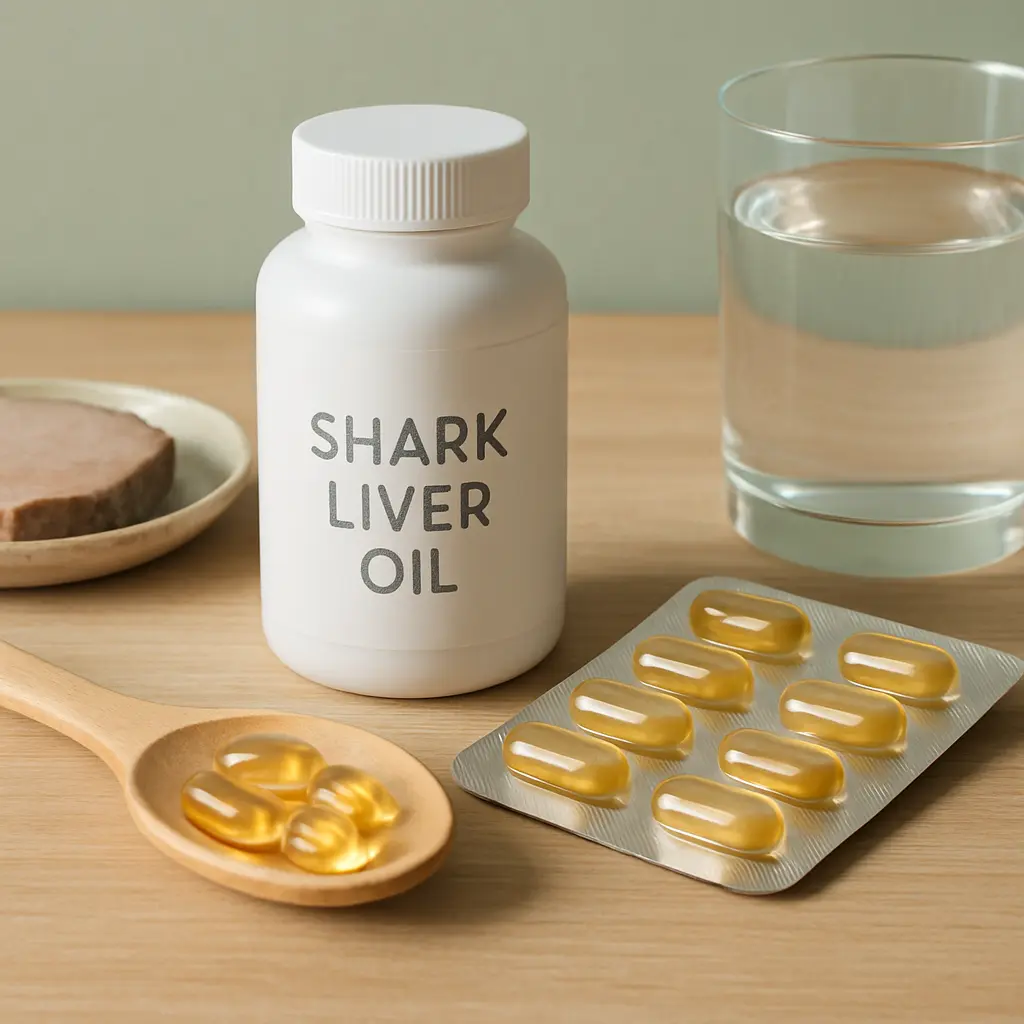
The Benefits and Uses of Shark Liver Oil in Modern Diets
In this page
This article explores the intriguing world of shark liver oil, an exotic dietary supplement known for its unique composition and potential health benefits. Although unfamiliar to many, shark liver oil has a rich history of traditional use and continues to garner interest for its bioactive compounds. Here, we delve into the scientific background, extraction methods, health properties, and safety considerations of this intriguing supplement.

Scientific Background and General Context
Shark liver oil, derived from the liver of deep-sea sharks, has been a part of traditional folk remedies for centuries, particularly among Nordic fishermen. These early users believed in its healing properties, applying it on wounds and using it for skin ailments and infections. Today, scientific curiosity around shark liver oil primarily focuses on its bioactive components such as omega-3 fatty acids, alkylglycerols, squalene, and fat-soluble vitamins A and D.The body’s demand for omega-3 fatty acids is well-documented, given their crucial role in maintaining cell membrane integrity, particularly in the nervous system. Furthermore, omega-3s are precursors to signaling molecules that regulate inflammation and other biological processes. Alkylglycerols, though less commonly discussed, are unique lipids that show stability superior to typical triglycerides, potentially benefiting the immune system. Meanwhile, squalene, a polyunsaturated hydrocarbon, is notable for its role in cholesterol synthesis and cellular protection.
History of Shark Liver Oil
The history of shark liver oil traces back several centuries. Nordic fishermen originally extracted the oil through rudimentary methods, such as slow boiling, which separated the fat from other tissues. The process was labor-intensive and inefficient, yet it provided a vital resource for these communities. They used the oil for medicinal purposes, leveraging its broad spectrum of applications far beyond other oils available at the time.As scientific understanding improved, so did the methods of extracting and refining shark liver oil. Modern techniques, such as molecular distillation, have vastly improved the purity and quality of the oil, allowing it to be marketed as a dietary supplement in both capsule and liquid forms.
Modern Extraction Methods
Extraction methods have evolved significantly since the early days of shark liver oil production. Today, advanced techniques like molecular distillation ensure high-quality, contaminant-free products. This method uses differences in boiling points to separate components, ensuring the integrity of delicate compounds like omega-3s.The industrial-scale production of shark liver oil follows strict quality standards to maintain the oil’s bioactive properties. This progress in extraction technology has facilitated the widespread use of shark liver oil in dietary supplements, making it accessible to a broader audience interested in its potential health benefits.
Properties of Shark Liver Oil
Shark liver oil is renowned for its rich composition of bioactive substances, including omega-3 fatty acids, alkylglycerols, squalene, and vitamins A and D. Each of these components plays a unique role in the human body.
Omega-3 Fatty Acids
Omega-3 fatty acids, particularly EPA and DHA, are long-chain polyunsaturated fats essential for health. Their chemical structure includes a double bond at the third carbon from the omega end of the fatty acid chain, distinguishing them from omega-6 and saturated fats. Omega-3s are integral to cell membranes and serve as precursors to signaling molecules that regulate inflammation and other physiological processes.
Alkylglycerols
Alkylglycerols are unique lipids that differ from typical triglycerides by having an ether bond linking glycerol to an alcohol. This structural difference grants them stability against certain digestive enzymes, which may confer immune system benefits. Research into alkylglycerols suggests they may support macrophage function, crucial for recognizing and combating microbial threats.
Squalene
Squalene, a large polyunsaturated hydrocarbon, is not a traditional fat but plays significant roles in human biology. Found in human sebum, it participates in cholesterol synthesis and cell protection. Its antioxidant properties draw interest for potential applications in skin health and cancer prevention.
Fat-Soluble Vitamins
Shark liver oil is also a source of vitamins A and D, both fat-soluble and vital for health. Vitamin A supports vision, immune function, and skin health, while vitamin D is essential for bone health and immune regulation. The presence of these vitamins enhances the oil’s nutritional profile, making it a comprehensive supplement choice.
Applications of Shark Liver Oil
Shark liver oil’s diverse composition has led to its use in both the treatment and prevention of various health conditions. Early clinical studies focused on leukemia treatment and radiation sickness prevention, but recent research emphasizes cardiovascular health and immune support.
Cardiovascular and Brain Health
Omega-3 fatty acids in shark liver oil are well-recognized for their role in promoting heart and brain health. They contribute to reducing inflammation, lowering triglyceride levels, and supporting cognitive function. Emerging research also explores their potential protective effects against neurodegenerative diseases.
Immune Support and Cancer Prevention
Alkylglycerols in shark liver oil are under investigation for their potential to enhance immune response and exhibit anti-cancer properties. Laboratory studies suggest that these compounds may inhibit cancer cell growth and bolster immune cell activity. Similarly, squalene is noted for its antioxidant capabilities, which may support skin health and protect against oxidative stress.
Daily Use and Lifestyle Applications
Incorporating shark liver oil into a daily routine can be beneficial for those seeking to enhance their nutrient intake, particularly of omega-3 fatty acids, and fat-soluble vitamins. It’s important to maintain a balanced approach, incorporating this supplement alongside a diet rich in whole foods.For those unable to consume sufficient omega-3s through diet alone—such as from fatty fish like salmon or mackerel—shark liver oil supplements provide a convenient alternative. However, it’s crucial to adhere to recommended dosages to avoid potential toxicity from fat-soluble vitamins.
Balanced Perspective and Safety
While shark liver oil offers promising health benefits, it’s essential to approach its use with caution. The potential for vitamin A and D toxicity exists, particularly with excessive supplementation. Additionally, the ecological impact of sourcing shark liver oil should be considered, promoting sustainable and ethical practices in product sourcing.Individuals interested in shark liver oil should consult with healthcare professionals to ensure it aligns with their dietary needs and health goals. This is especially important for those with pre-existing health conditions or those taking medications that may interact with the supplement’s components.In summary, shark liver oil represents a fascinating intersection of traditional wisdom and modern science, offering potential health benefits through its unique blend of bioactive compounds. With mindful consumption and ethical sourcing, it can be a valuable addition to a health-conscious lifestyle.


