
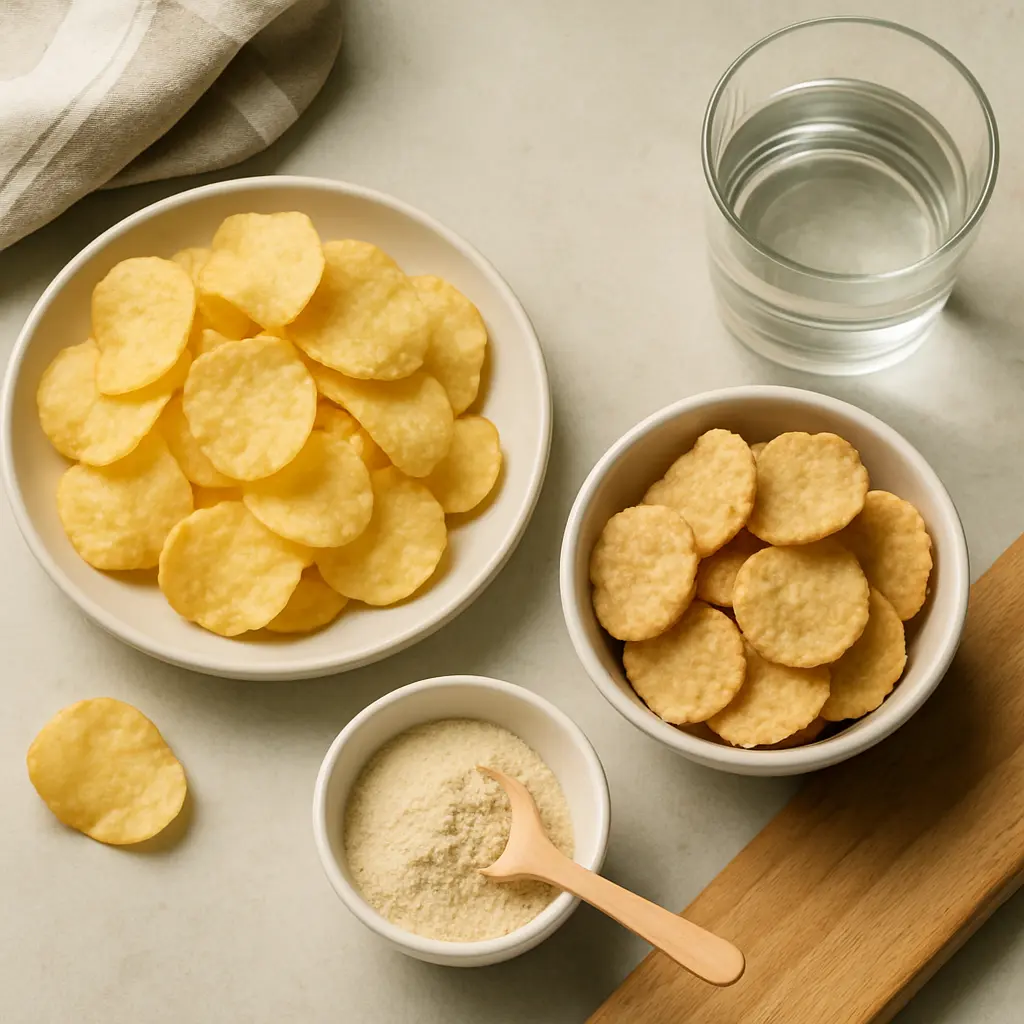
The Health Impact of Traditional Potato Chips and Their Protein-Based Alternatives
In this page
Potato chips are a globally cherished snack, renowned for their tempting crunch and savory taste. However, their nutritional profile is cause for concern. This article examines the health implications of consuming traditional potato chips, from high fat and salt content to the presence of potentially harmful compounds. We also explore healthier alternatives, such as protein chips, which offer nutritional benefits without compromising on flavor or texture.

Scientific Background and General Context
Potato chips are a staple in snack foods, largely due to their affordability, convenience, and gratifying taste. Originating in the mid-19th century, these crispy delights rose to immense popularity, leading to a multi-billion-dollar industry. However, the simplistic pleasure of eating chips often overshadows the complex nutritional issues they present.Standard potato chips are typically fried in oil, leading to high levels of saturated fats and calories. Simultaneously, they are seasoned with significant amounts of salt, contributing to excessive sodium intake. The frying process at high temperatures also results in the formation of acrylamide, a potentially harmful chemical compound.Such nutritional elements are linked to various health risks, including cardiovascular diseases, hypertension, and increased cancer risk. In light of these concerns, the market has seen the emergence of protein chips, which promise a healthier alternative with enhanced nutritional value.

The Downsides of Traditional Potato Chips
High Fat Content
Traditional potato chips are typically deep-fried in oil, making them calorie-dense. The oil used often contains a high concentration of saturated fats, which can elevate LDL cholesterol levels, commonly known as “bad” cholesterol. This elevation is associated with an increased risk of heart disease, including atherosclerosis, hypertension, and heart attacks.The type of oil used in chip production is crucial. Palm oil, a common choice due to its low cost and high stability, is particularly rich in saturated fats. This exacerbates the health risks associated with regular consumption of chips, contributing to heart-related ailments.
Excessive Sodium Levels
One of the more significant health concerns regarding potato chips is their salt content. Consuming high amounts of sodium can lead to elevated blood pressure, heightening the risk of strokes, heart disease, and kidney problems. Many individuals unknowingly consume excess sodium through regular snacking, exacerbating these health concerns.
Lack of Nutritional Value
Potato chips are often categorized as providing “empty calories.” While they offer energy through fats and carbohydrates, they lack essential nutrients such as vitamins, minerals, and fiber. This imbalance can contribute to weight gain and associated health issues, particularly when chips are a regular part of one’s diet.
Presence of Acrylamide
Acrylamide is a chemical compound that forms in starchy foods when fried at high temperatures. In laboratory studies, acrylamide exposure has been linked to cancer in animals, and it is considered a possible human carcinogen. Potato chips, due to their preparation method, often contain high levels of this compound, which adds a layer of risk to their consumption.
Protein Chips: A Healthier Snacking Alternative
Amid growing health consciousness, protein chips have emerged as a popular alternative to traditional options. These chips offer several advantages that align with healthier dietary practices.
High Protein Content
Protein chips are designed to be rich in protein, making them suitable for those seeking to increase protein intake, such as athletes or individuals focused on muscle growth and recovery. Protein is vital for tissue repair, muscle building, and maintaining satiety, contributing to better metabolic health.
Reduced Fat and Oil-Free Options
Unlike traditional chips, many protein chips are baked or prepared with minimal oil, often eschewing palm oil entirely. This reduces the overall fat content and eliminates the health risks associated with saturated fats, contributing to heart health.
Lower Sodium Content
Protein chips typically contain less sodium compared to traditional potato chips. This reduction supports cardiovascular health by minimizing the risk of hypertension and related diseases. Choosing snacks with lower sodium content is a proactive measure in maintaining a healthy diet.
Absence of Acrylamide
The production process of protein chips often involves baking at lower temperatures, reducing the formation of acrylamide. This makes them a safer option regarding exposure to potentially harmful chemicals.
Diverse Flavors and Nutritional Benefits
Protein chips come in a variety of flavors and are often enriched with additional nutrients like fiber, vitamins, and minerals. This makes them not only a satisfying snack but also a more balanced nutritional choice. The incorporation of such elements can contribute to overall dietary health and wellness.
Daily Use and Lifestyle Applications
Incorporating protein chips into one’s diet can align with various health goals. For individuals following high-protein diets, these snacks serve as a convenient source of protein throughout the day. They can also be a valuable option for those looking to reduce their calorie intake from snacks without sacrificing satisfaction or flavor.For people managing weight, protein chips can help maintain satiety and reduce cravings for less healthy options. Their improved nutritional profile makes them suitable for inclusion in meal plans aimed at heart health, diabetes management, or balanced nutrition.
Balanced Perspective and Safety
While protein chips offer a healthier alternative, it is essential to consume them in moderation, as with any processed food. Awareness of ingredient lists and nutritional labels can help consumers make informed choices. For those with specific dietary restrictions or allergies, consulting a healthcare professional before introducing new snacks is advisable.Overall, protein chips can be a part of a balanced diet when chosen wisely and consumed in appropriate portions. They provide an innovative option for those seeking to improve their snack habits without forgoing the enjoyment of a crispy, flavorful treat.
Conclusion
Traditional potato chips, while enjoyable, pose significant health risks due to their high fat, sodium content, and the presence of compounds like acrylamide. In contrast, protein chips provide a promising alternative, offering nutritional benefits such as increased protein, reduced fat, and lower sodium levels. Making mindful choices by opting for healthier snacks can significantly improve dietary habits and long-term health outcomes. As the snack industry evolves, the availability of nutritious and satisfying options continues to grow, empowering individuals to make choices that support their health and wellness goals.


