
Exploring the Benefits and Uses of Ginkgo Biloba
In this page
Ginkgo biloba, commonly known as the ginkgo tree, is renowned for its storied past and health-enhancing properties. As one of the oldest tree species on the planet, ginkgo has established a significant presence in traditional Chinese medicine and has captured global interest due to its potential benefits for brain health and cardiovascular function. This article delves into the intriguing history of Ginkgo biloba, its active compounds, and its modern applications, offering a comprehensive view of why this ancient tree remains relevant in today’s health landscape.

Scientific Background and General Context
Ginkgo biloba is a unique tree species with a lineage that stretches back more than 200 million years, surviving through various geological epochs unchanged. Native to China, it has been cultivated for centuries in Buddhist temples, both for its ornamental beauty and medicinal properties. Known in Chinese medicine for its array of uses, ginkgo was introduced to the Western world in the 18th century and has since spread globally as both a decorative plant and a dietary supplement.The leaves of the ginkgo tree are the primary source of its health benefits. They contain high levels of flavonoids and terpenoids, which are potent antioxidants. These compounds assist in neutralizing free radicals, thereby protecting cells from damage and reducing the effects of aging. The presence of these bioactive substances underpins ginkgo’s reputation as a natural remedy for enhancing cognitive function and circulation.
Health Benefits of Ginkgo Biloba
Ginkgo biloba is primarily recognized for its ability to support the nervous and circulatory systems. Here are some of the main benefits associated with its use:
Improvement of Cognitive Function
One of the most acclaimed benefits of ginkgo biloba is its role in enhancing memory and concentration. Studies suggest that it may improve blood flow to the brain, which can help boost cognitive function, particularly in older adults. This has led to ginkgo’s popularity among students and professionals seeking to enhance their mental performance.
Alleviation of Anxiety Symptoms
Ginkgo biloba has been noted for its potential to reduce anxiety levels. It appears to modulate the body’s stress response, promoting a more balanced mood and emotional state. As a result, it is frequently used as a supplement to support mental health and well-being.
Support for Cardiovascular Health
By improving blood circulation, ginkgo biloba can benefit individuals with circulatory issues. It may help alleviate symptoms such as cold hands and feet, supporting overall vascular health. The enhancement of blood flow is thought to be due to ginkgo’s ability to dilate blood vessels and improve the efficiency of blood flow.
Daily Use and Lifestyle Applications
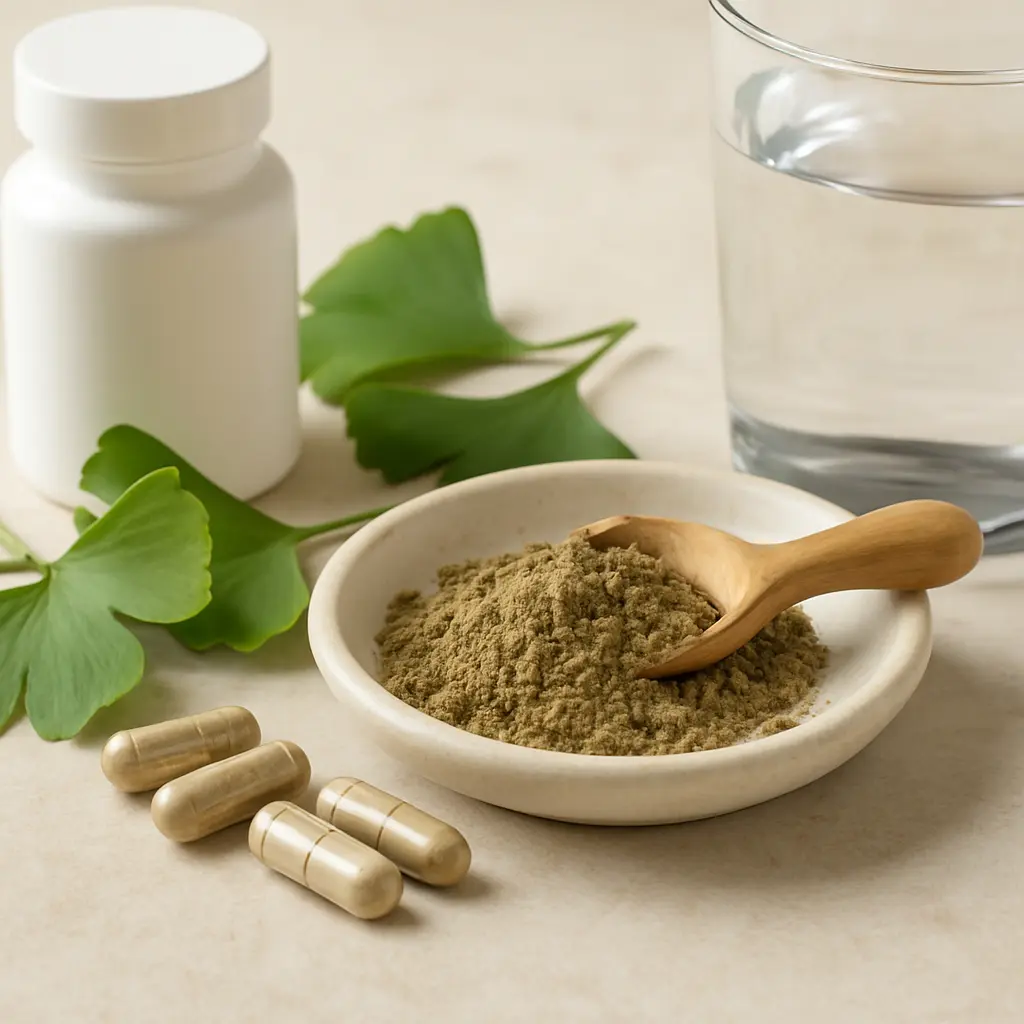
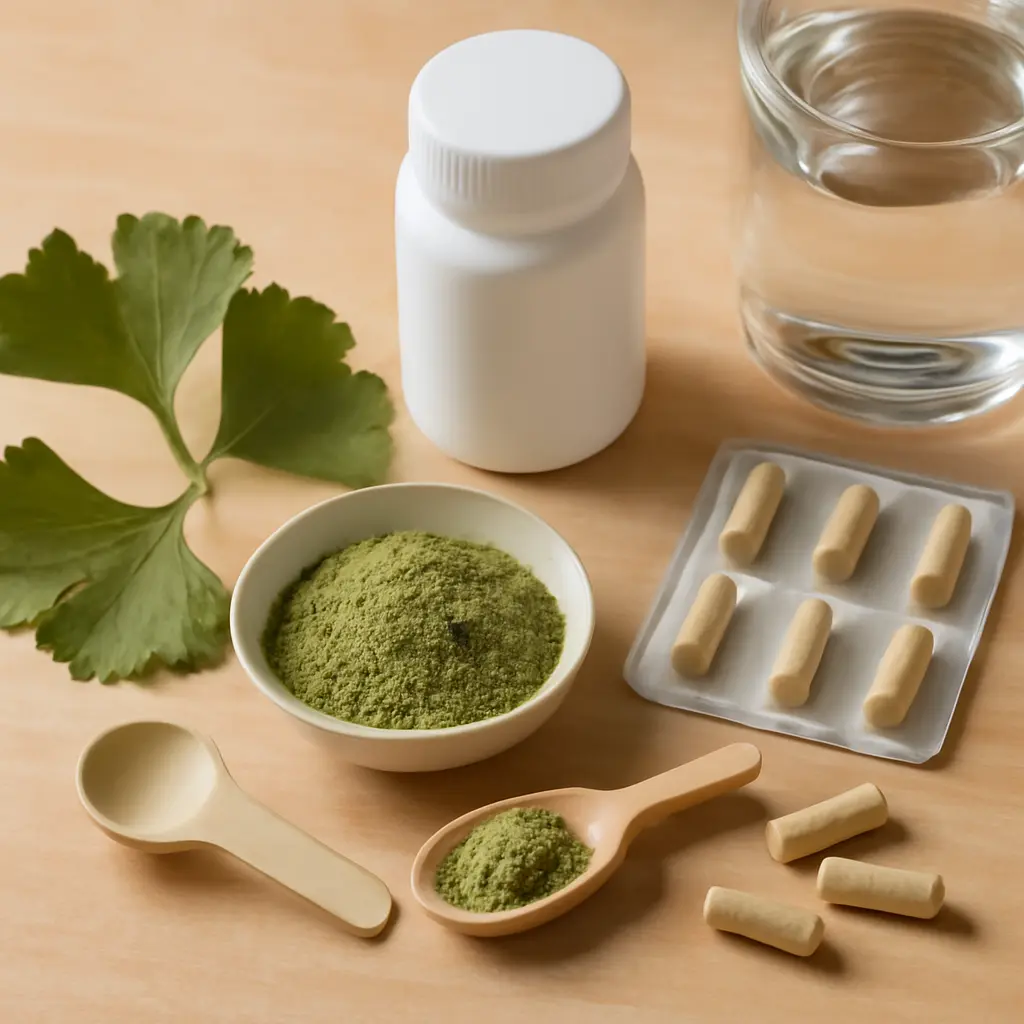
Ginkgo biloba is available in various forms, including capsules, tablets, and liquid extracts, making it easy to incorporate into daily routines. For those interested in adding ginkgo to their regimen, it is advisable to start with a smaller dose to gauge how the body responds.
Targeted Use for Cognitive and Emotional Well-being
For individuals looking to bolster cognitive function, regular supplementation with ginkgo may provide benefits, particularly in maintaining sharpness and clarity in daily activities. Its use is particularly popular among the elderly and those engaged in mentally demanding work.
Integrating Ginkgo into Heart Health Strategies
Ginkgo’s role in supporting cardiovascular health makes it a valuable addition for individuals looking to improve or maintain their heart health. It is often used alongside other lifestyle changes, such as diet and exercise, to enhance circulatory function and overall health.
Balanced Perspective and Safety
While ginkgo biloba is generally considered safe for consumption, it is crucial to use it judiciously and be aware of potential interactions with other medications. High doses of ginkgo can cause side effects such as headaches, nausea, and dizziness. It is particularly important for individuals taking anticoagulant medications to consult a healthcare professional before starting ginkgo, as it may affect blood clotting.Ginkgo is not recommended for pregnant or breastfeeding women due to a lack of comprehensive studies confirming its safety in these populations. As with any supplement, monitoring for adverse reactions and adjusting intake accordingly is essential.
Cultural and Historical Significance
The ginkgo tree is often hailed as a “living fossil” due to its resilience and unchanged existence over millions of years. Its ability to survive the atomic bombings in Hiroshima, with trees still thriving in the affected areas, stands as a testament to its hardiness and symbolic significance of endurance.In addition to its health applications, ginkgo is valued for its aesthetic appeal. It is commonly planted in gardens and parks, where its unique fan-shaped leaves and vibrant yellow autumn foliage contribute to its ornamental allure.
Conclusion
Ginkgo biloba continues to captivate attention with its rich history and multifaceted health benefits. Its enduring presence in traditional medicine and growing use in modern supplements highlight its potential to support cognitive and cardiovascular health. While incorporating ginkgo into a health regimen can be beneficial, it is important to approach supplementation with mindfulness, considering individual health needs and professional guidance where necessary. As research advances, ginkgo biloba stands poised to remain a vital component of natural health strategies for years to come.


