
Lactobacillus Acidophilus: A Comprehensive Guide to Probiotic Benefits and Applications
In this page
This article delves into the fascinating world of Lactobacillus acidophilus, a well-researched species of probiotic bacteria. Renowned for its health benefits, L. acidophilus is a natural part of the human microbiome and is also found in various fermented dairy products. We will explore the scientific background of this probiotic, its characteristics, health benefits, optimal usage, and the broader implications for lifestyle and wellness.

Scientific Background and General Context
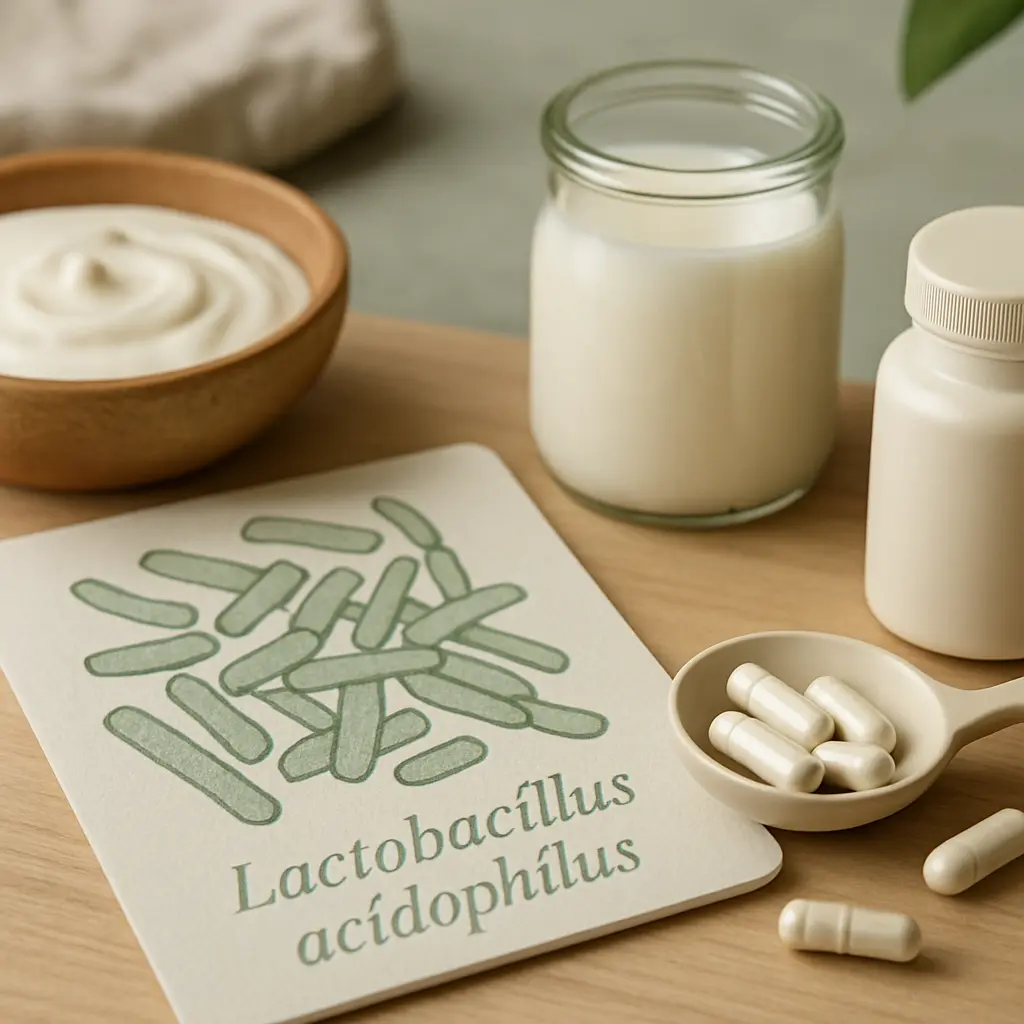
Lactobacillus acidophilus is a type of lactic acid bacteria that falls under the genus Lactobacillus, a member of the Lactobacillaceae family. These bacteria are rod-shaped and prefer environments with low oxygen levels, although they can survive in both aerobic and anaerobic conditions. They are homofermentative organisms, meaning they primarily ferment sugars into lactic acid. This characteristic is crucial for their role in the human digestive system and the fermentation of dairy products.These bacteria thrive in temperatures around 98.6°F, which aligns closely with the human body’s internal temperature, and they prefer a slightly acidic pH range of 5.5 to 6.0. Lactobacillus acidophilus is commonly found in the human gut, mouth, and vagina, as well as in fermented dairy products like yogurt, which serve as excellent sources of these probiotics.

Characteristics and Benefits of Lactobacillus Acidophilus
Role in Digestive Health
One of the primary functions of Lactobacillus acidophilus is to support digestive health. The bacteria help maintain a balanced gut microbiome, which is essential for efficient digestion and nutrient absorption. They strengthen the intestinal barrier, preventing harmful microorganisms from entering the bloodstream. Additionally, L. acidophilus produces bioactive compounds that have beneficial effects on gut health.Studies have shown that certain strains of L. acidophilus can reduce the duration and frequency of diarrhea, particularly in children experiencing acute gastroenteritis. They also help alleviate symptoms of lactose intolerance and irritable bowel syndrome (IBS) by reducing bloating and diarrhea, making them a valuable ally for individuals with these conditions.
Cholesterol Management
Lactobacillus acidophilus has also been linked to cholesterol management. Research indicates that it can lower total cholesterol and low-density lipoprotein (LDL) cholesterol levels, especially in individuals with mild hypercholesterolemia. While more research is needed to fully understand the mechanisms, it is believed that the bacteria’s ability to bind bile acids in the intestines and increase their excretion plays a role in this process. This can lead to a decrease in cholesterol synthesis in the liver, providing a natural way to manage cholesterol levels.
Potential Athletic Benefits
Though evidence is less consistent, some studies suggest that L. acidophilus may enhance athletic performance. By promoting a healthy gut environment, these bacteria can positively influence inflammatory processes and nutrient absorption, potentially leading to improved endurance and strength. However, more research is necessary to confirm these effects.
Daily Use and Lifestyle Applications
Incorporating Lactobacillus Acidophilus into Your Diet
Lactobacillus acidophilus is commonly available in both food sources and supplements. Fermented dairy products such as yogurt, kefir, and some cheeses are excellent dietary sources of these probiotics. When choosing a supplement, look for those that specify live cultures and clearly state the number of colony-forming units (CFUs) on the label.The typical recommendation for L. acidophilus supplementation is 1 to 2 billion CFUs, taken 1 to 2 times daily, preferably before meals. This dosage may vary based on individual needs and the specific health goals being targeted.
Potential Applications Beyond Digestion
Beyond digestive health, L. acidophilus has applications in broader lifestyle and wellness contexts. It can be beneficial for maintaining vaginal health by preventing yeast infections and bacterial vaginosis. Additionally, its potential role in managing cholesterol levels and supporting the immune system makes it a versatile addition to a health-conscious lifestyle.For individuals with specific health concerns, such as lactose intolerance or IBS, L. acidophilus can be a valuable tool in managing symptoms and improving quality of life. Its incorporation into daily routines can support overall health and wellness.
Balanced Perspective and Safety
Understanding Safety and Side Effects
Lactobacillus acidophilus is generally considered safe for most individuals, with a long history of use in fermented foods and dietary supplements. However, some people may experience mild side effects, such as gas or bloating, particularly when first introducing probiotics into their diet. These symptoms typically resolve as the body adjusts.For individuals with compromised immune systems or severe health conditions, it’s crucial to consult a healthcare professional before starting any probiotic regimen. Special care should be taken when considering the use of probiotics in infants, elderly individuals, or those with severe health conditions.
Research and Future Directions
While the benefits of L. acidophilus are well-documented, ongoing research continues to explore its potential applications and the mechanisms behind its health effects. Emerging studies are investigating the role of probiotics in mental health, obesity management, and autoimmune diseases, highlighting the diverse potential of these beneficial bacteria.Future research may provide deeper insights into the specific strains and dosages that offer the most significant health benefits, further solidifying the role of Lactobacillus acidophilus in promoting overall wellness.In conclusion, Lactobacillus acidophilus is a powerful probiotic with a wide range of health benefits. By understanding its characteristics, applications, and safety considerations, individuals can make informed decisions about incorporating this beneficial bacterium into their daily routines, supporting a healthier, more balanced lifestyle.


