
Exploring Saccharomyces boulardii: Health Benefits, Applications, and Safety
In this page
Saccharomyces boulardii is a fascinating microorganism with a range of potential health benefits. It is a type of yeast that is closely related to baker’s yeast and has garnered attention for its probiotic properties. This article delves into the characteristics, uses, and scientific background of Saccharomyces boulardii, exploring its potential role in digestive health and beyond. Additionally, we will discuss practical applications and safety considerations for incorporating this yeast into a healthy lifestyle.
Scientific Background and General Context
Saccharomyces boulardii belongs to the eukaryotic kingdom of fungi, which differentiates it from prokaryotic organisms such as bacteria. This distinction is significant because eukaryotic organisms have a defined nucleus containing their genetic material. Saccharomyces boulardii falls under the Ascomycota phylum, Saccharomycetes class, and Saccharomycetales order, making it a close relative of the well-known Saccharomyces cerevisiae, or baker’s yeast.One of the intriguing aspects of Saccharomyces boulardii is the ambiguity surrounding its classification. While some researchers recognize it as a separate species, others consider it a strain of Saccharomyces cerevisiae. Regardless of the classification, this yeast is characterized by its ability to reproduce asexually through budding. It thrives in a range of environments, including fruits, trees, and soil, and is known for its facultative anaerobic nature, allowing it to survive without oxygen by fermenting sugars.In laboratory settings, Saccharomyces boulardii is commonly cultured in glucose-based media, as glucose serves as its primary energy source. Its robust nature and beneficial properties have made it a valuable tool in both industrial applications and scientific research, particularly in studies related to gut health and disease.

Health Benefits and Mechanisms of Saccharomyces boulardii
Potential Health Benefits
The primary area of interest for Saccharomyces boulardii is its potential impact on digestive health. Research suggests that this yeast may be effective in the treatment and prevention of various gastrointestinal disorders. It has shown promise in managing different types of diarrhea, including those caused by infections, antibiotics, travel, and enteral nutrition.In children, Saccharomyces boulardii can reduce the duration and severity of diarrhea, decrease the number of bowel movements, and minimize the risk of prolonged symptoms. This leads to quicker recovery and shorter hospital stays. For adults, it may help prevent the recurrence of Clostridium difficile infections and alleviate the side effects of Helicobacter pylori treatment.Additionally, Saccharomyces boulardii’s ability to combat antibiotic-resistant pathogens positions it as a valuable ally in addressing antimicrobial resistance. Its potential benefits also extend to liver diseases, where it may reduce inflammation, fibrosis, and metabolic markers, thus aiding in the management of conditions like cirrhosis and fatty liver disease. Furthermore, its role in neonatal care is noteworthy, as it can support the prevention of necrotizing enterocolitis, reduce food intolerance, and shorten hospital stays for newborns.
Mechanisms of Action
The mechanisms through which Saccharomyces boulardii exerts its effects are multifaceted. One key aspect is its ability to modulate the immune system. This yeast enhances immune function by stimulating the production of immunoglobulins, cytokines, and the maturation of immune cells, thereby bolstering the body’s defense mechanisms against pathogens.Saccharomyces boulardii also plays a crucial role in maintaining gut barrier integrity. It neutralizes toxins and binds harmful bacteria, preventing them from adhering to the intestinal lining. This protective action helps to preserve the integrity of the gut barrier, reducing the risk of permeability issues and associated health problems.In liver conditions, Saccharomyces boulardii may reduce inflammation, fibrosis, and metabolic markers, offering potential relief from conditions like cirrhosis and fatty liver disease. Its ability to support neonatal health by preventing necrotizing enterocolitis and reducing food intolerance further underscores its diverse range of benefits.
Daily Use and Lifestyle Applications
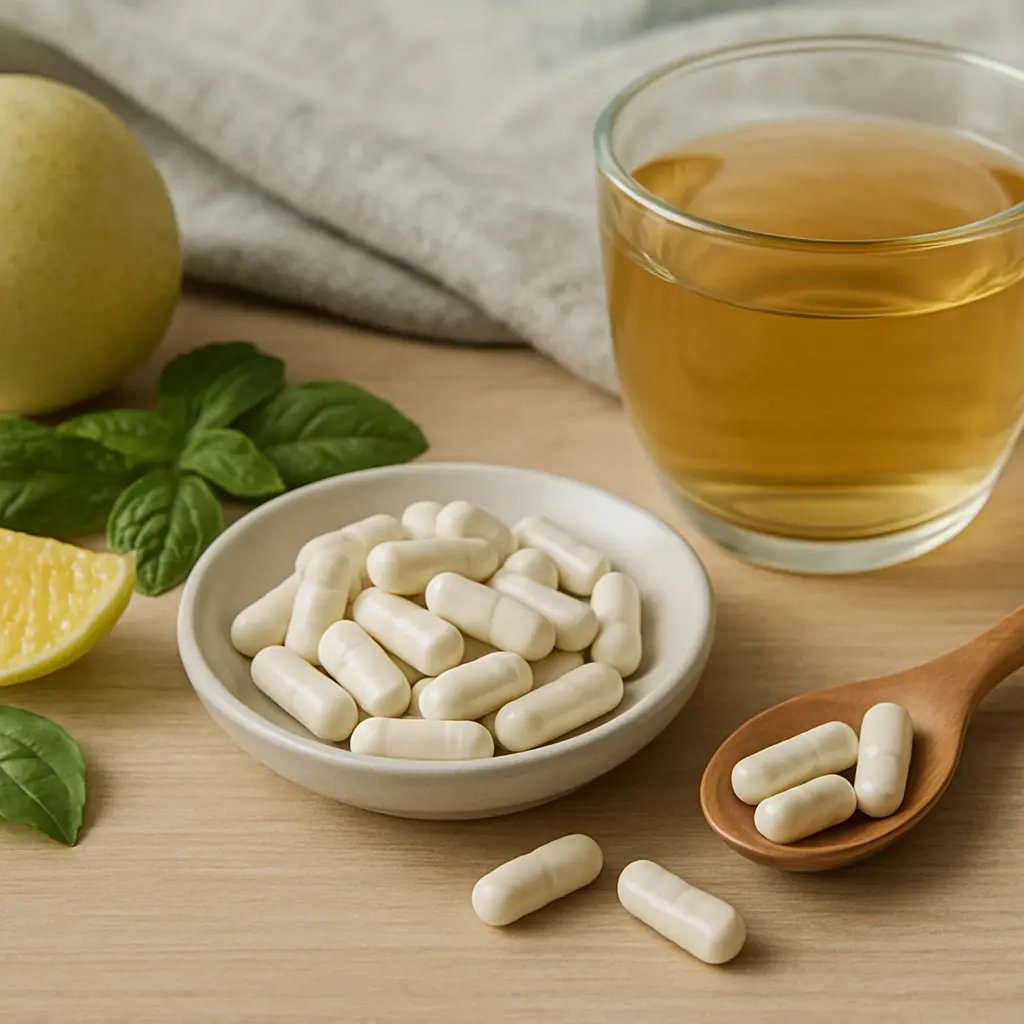
Saccharomyces boulardii is available in various forms, including single-strain and multi-strain probiotic supplements. These are often found as capsules or powders, making it easy to incorporate into daily routines.When considering Saccharomyces boulardii, it’s essential to adhere to recommended dosages. A typical dose ranges from 5 to 10 billion cells per serving, equivalent to 250–500 mg of dry yeast mass. For more severe conditions, such as Clostridium difficile infections, the dose may be increased to 15–20 billion cells per day. However, for preventive purposes, such as traveler’s diarrhea, doses closer to the lower end of the range are often sufficient.Storage is a critical consideration when using Saccharomyces boulardii supplements. The viability of yeast cells can decrease in suboptimal conditions, so it’s essential to store them as directed to ensure maximum effectiveness.
Balanced Perspective and Safety
While Saccharomyces boulardii offers numerous potential benefits, it is essential to approach its use with a balanced perspective. As with any supplement, it is crucial to consider individual health conditions and consult a healthcare professional before starting any new regimen, especially for individuals with compromised immune systems or those taking medications that may interact with probiotics.Overall, Saccharomyces boulardii represents a promising therapeutic tool with a wide range of applications, particularly in the realm of digestive health. Its ability to modulate the immune system, protect the gut barrier, and combat antibiotic-resistant pathogens positions it as a valuable addition to a holistic approach to wellness. By understanding its benefits, mechanisms, and practical applications, individuals can make informed decisions about incorporating Saccharomyces boulardii into their health and wellness routines.


