

Understanding Rhodiola Rosea: A Natural Adaptogen
In this page
Rhodiola Rosea, also known as Arctic Root, is a plant that has gained attention due to its adaptogenic properties. Primarily found in mountainous regions of Europe and Asia, this resilient herb is known to withstand harsh, cold climates. Its adaptive qualities make it particularly valuable during the colder months. This article explores the scientific foundations of Rhodiola, its potential health benefits, and considerations for safe usage.

Scientific Background and General Context
Rhodiola Rosea is a perennial flowering plant that holds a prominent position in traditional medicine, especially in Scandinavian and Russian herbal practices. As an adaptogen, Rhodiola helps the body resist various stressors, whether they are physical, chemical, or biological. This is achieved without causing significant alterations to physiological functions.The main active compounds in Rhodiola are salidrosides and rosavins. Adaptogens like Rhodiola are known to influence neurochemistry, particularly the balance of neurotransmitters such as dopamine, serotonin, and norepinephrine. These neurotransmitters are essential for mood regulation, motivation, and the body’s stress response. Salidrosides are particularly noted for their ability to modify levels of neuropeptide Y, which is involved in stress resilience.
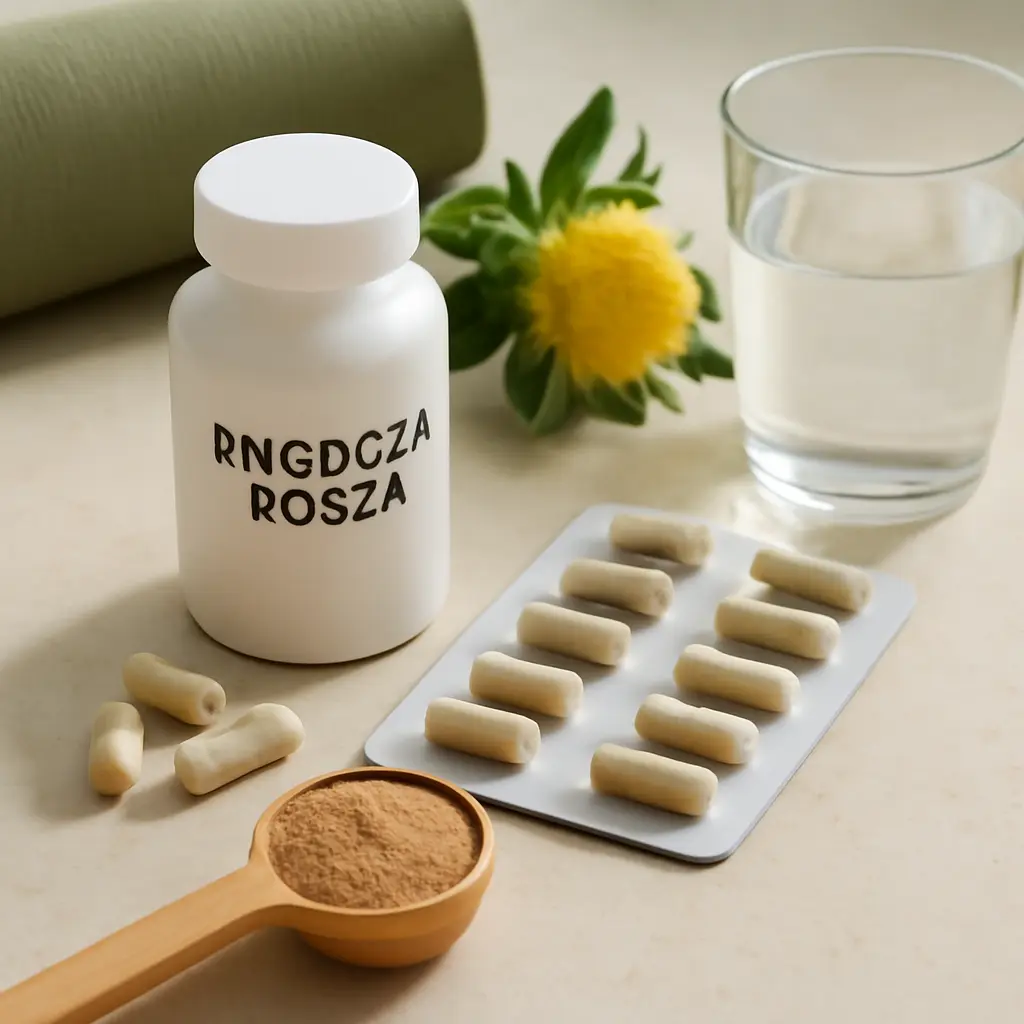
Mechanism of Action
Rhodiola’s action differs from stimulants like caffeine. While caffeine provides a direct boost to energy levels, Rhodiola enhances the body’s resilience to stress and fatigue in a more balanced manner. This is not about heightening energy but rather optimizing the body’s natural capacity to manage stressors.Salidrosides and rosavins contribute to the modulation of stress-related chemicals in the brain. By regulating these neurochemicals, Rhodiola may support cognitive function under stress, reduce symptoms of depression, and improve overall mental well-being. Its adaptogenic properties are particularly beneficial during times of mental or physical challenges, such as periods of intense study or high-pressure work environments.
Potential Health Benefits
Adaptogens like Rhodiola have been subject to numerous studies, and Rhodiola Rosea, in particular, has shown potential in various health contexts:
Stress and Mental Health
Rhodiola is most renowned for its ability to mitigate the effects of stress. By influencing neurotransmitter levels, it can enhance mood and alleviate symptoms of stress and anxiety. This makes it a popular choice for individuals experiencing chronic stress.
Cognitive Function
Some studies suggest that Rhodiola may improve cognitive functions, including memory, concentration, and alertness. This is particularly advantageous for students or professionals who require sustained mental focus.
Physical Performance
Athletes may find Rhodiola beneficial as it is believed to enhance physical performance, particularly in anaerobic activities such as weightlifting. Its ability to reduce fatigue can help in extending workout durations and improving recovery times.
Altitude Sickness and Cardiovascular Health
Rhodiola has been traditionally used to combat altitude sickness due to its potential to enhance oxygen delivery to tissues. There is also some evidence to suggest that it may support cardiovascular health by reducing symptoms associated with heart-related conditions.
Daily Use and Lifestyle Applications
To harness the benefits of Rhodiola, it is typically consumed in the form of a standardized extract. A common dosage ranges from 200 to 400 mg per day, with higher doses split into two servings. Consistency in dosage is key, and extracts standardized to contain 1-3% of active compounds are recommended.Due to its influence on stress and fatigue, Rhodiola can be especially useful during high-demand periods, whether they involve physical exertion, mental strain, or emotional challenges. Users often report an improvement in mood and focus within just a few days of starting supplementation.
Balanced Perspective and Safety
While Rhodiola is generally considered safe for most people, it is important to approach its use responsibly:
Duration of Use
Studies suggest that Rhodiola can be taken safely for periods ranging from 8 to 12 weeks. This duration is typically sufficient to evaluate its effects and decide on continued usage. It’s advised to take breaks between extended periods of use to prevent potential desensitization to its effects.
Possible Side Effects
Side effects are rare but may include dizziness, dry mouth, or sleep disturbances. As with any supplement, it’s prudent to start with the lowest effective dose and monitor the body’s response.
Contraindications and Interactions
Individuals who are pregnant, nursing, or have underlying health conditions should consult with a healthcare professional before starting Rhodiola. Additionally, as Rhodiola can affect neurotransmitter levels, it may interact with medications that influence mood and mental health.
Conclusion
Rhodiola Rosea is a versatile adaptogen with a variety of applications in stress management, cognitive enhancement, and physical performance. Its unique properties make it a valuable addition to wellness routines, especially during periods of increased demand on the mind and body. As with any supplement, informed and cautious use is essential to maximize benefits while minimizing potential risks.


