
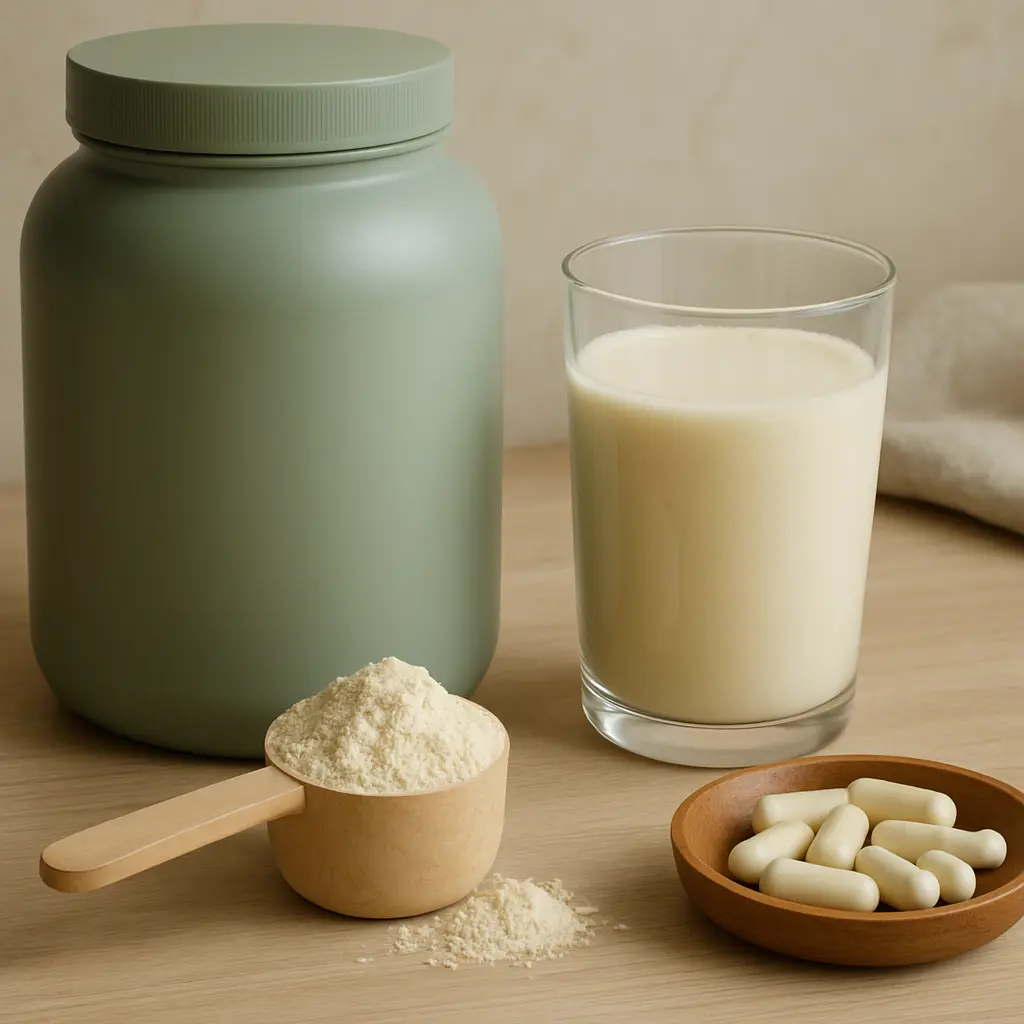
The Role of Whey Protein in Weight Loss Diets
In this page
Whey protein has gained popularity as a dietary supplement, particularly among those seeking to lose weight. This article explores how whey protein can support weight loss efforts by examining its role in muscle preservation, energy metabolism, and satiety. Additionally, we discuss the different types of whey protein supplements available and how they can be incorporated into a balanced diet.

Scientific Background and General Context
Proteins are crucial macronutrients that play vital roles in building and repairing tissues, producing enzymes and hormones, and maintaining overall body function. During weight loss, the primary goal is to reduce fat mass while preserving lean muscle tissue. This is where dietary protein becomes essential.The energy balance equation, where energy intake equals energy expenditure, is fundamental to weight loss. Consuming fewer calories than the body uses leads to weight loss. However, during calorie restriction, the body can also break down muscle tissue for energy if protein intake is insufficient. Consuming adequate protein, such as whey protein, can help mitigate muscle loss.Furthermore, protein has a higher thermic effect compared to carbohydrates and fats, meaning the body uses more energy to digest and metabolize protein. This phenomenon contributes to an increased daily calorie burn, supporting a caloric deficit necessary for weight loss.

Whey Protein: A High-Quality Source
Whey protein is a byproduct of cheese production, derived from the liquid portion of milk that separates during cheese curdling. It is considered a complete protein, containing all essential amino acids required by the human body. The high biological value of whey protein makes it an excellent choice for those looking to enhance their protein intake efficiently.Whey protein is readily available in powdered form, making it a convenient option for supplementation. It can be easily incorporated into various recipes or consumed as a shake. Its ease of use, storage, and transportability contribute to its popularity among individuals with busy lifestyles.
Types of Whey Protein: Concentrates and Isolates
Whey protein supplements are primarily found in two forms: concentrates and isolates. Each form has unique characteristics that can influence the choice of supplement depending on individual dietary needs and preferences.
Whey Protein Concentrate
Whey protein concentrate typically contains 70-80% protein, with the remaining composition made up of carbohydrates, fats, and moisture. This form is more economical but may contain slightly higher levels of lactose and fats. It is an excellent option for those who tolerate dairy well and are looking for an affordable protein supplement.
Whey Protein Isolate
Whey protein isolate undergoes further processing to remove most of the lactose and fats, resulting in a product that contains around 90% or more protein by weight. Isolates are ideal for individuals who are lactose intolerant or those seeking to maximize their protein intake with minimal additional calories from carbohydrates and fats. However, the extensive processing makes isolates more expensive than concentrates.
Whey Protein in Weight Loss Diets
Incorporating whey protein into a weight loss diet can be beneficial for several reasons:
Muscle Preservation
During weight loss, maintaining muscle mass is important for metabolic health and body composition. Whey protein, with its rich amino acid profile, supports muscle protein synthesis, helping preserve lean mass even during periods of caloric restriction.
Satiety and Appetite Control
Protein is known to be more satiating than carbohydrates or fats, meaning it can help control hunger and reduce the likelihood of overeating. A whey protein shake can serve as a satisfying and nutritious snack or meal replacement, potentially reducing the desire for less healthy food choices.
Convenience and Versatility
The powder form of whey protein allows for easy incorporation into daily meals. It can be added to smoothies, oatmeal, or baked goods, providing a versatile means of increasing protein intake without the need for extensive meal preparation.
Energy Expenditure
As mentioned earlier, the thermic effect of protein contributes to increased energy expenditure. Regular consumption of whey protein can help enhance overall calorie burn, supporting the energy deficit required for weight loss.
Daily Use and Lifestyle Applications
While incorporating whey protein into one’s diet can support weight loss, it is important to use it as part of a balanced and varied diet. Here are some practical tips for using whey protein effectively:
Determine Your Protein Needs
The optimal protein intake varies based on factors like age, gender, activity level, and fitness goals. Generally, active individuals or those seeking to lose weight may benefit from higher protein intakes, up to 1 gram of protein per pound of body weight per day.
Timing and Frequency
Distributing protein intake throughout the day can optimize muscle protein synthesis. Consuming whey protein post-exercise can also aid recovery and muscle repair. However, the overall daily protein intake is more crucial than precise timing.
Balancing Nutrient Intake
While whey protein is valuable, it should not replace a variety of nutrient-dense whole foods. A healthy diet should include fruits, vegetables, whole grains, and healthy fats to ensure all nutrient needs are met.
Balanced Perspective and Safety
While whey protein is generally safe for most individuals, a few considerations should be taken into account:
Allergies and Sensitivities
Individuals with milk allergies or lactose intolerance should approach whey protein, especially concentrates, with caution. Whey protein isolate may be a better choice for those with mild lactose sensitivity.
Quality and Purity
Choosing high-quality protein supplements from reputable manufacturers ensures the product is free from contaminants or unnecessary additives. Checking for third-party testing and certifications can provide additional assurance.
Consulting a Healthcare Professional
Before starting any supplement regimen, it is advisable to consult with a healthcare provider, especially if there are underlying health conditions or if other medications are being taken.In conclusion, whey protein is a valuable tool in weight loss diets, offering benefits like muscle preservation, enhanced satiety, and increased energy expenditure. When used wisely, it can complement a health-focused lifestyle, supporting individuals in achieving their weight loss goals while maintaining overall well-being.


