
Protein Supplementation for Teenagers: Understanding the Benefits and Concerns
In this page
As teenagers undergo rapid growth and development, their nutritional needs evolve significantly. One nutrient that often garners attention during adolescence is protein. This article delves into the importance of protein for teenagers, the potential benefits of protein supplementation, and considerations for safely incorporating protein supplements into a young person’s diet. While protein is essential for muscle development, brain function, and overall health, understanding the nuances of supplementation can help parents and teenagers make informed decisions.

Scientific Background and General Context
Protein is a macronutrient composed of amino acids, which are the building blocks of the body. During adolescence, the body experiences accelerated growth, requiring increased nutritional input to support not only physical changes but also cognitive development. Protein plays a critical role in building and repairing tissues, making enzymes and hormones, and supporting immune function.The recommended dietary allowance (RDA) for protein varies based on age, sex, and level of physical activity. For teenagers, the general guideline is approximately 46 grams per day for girls and 52 grams per day for boys. However, active adolescents or those involved in sports might require more to support muscle repair and energy needs. Understanding these requirements is crucial in addressing the growing interest in protein supplementation among teenagers.
Growing Protein Needs During Adolescence
The teenage years are marked by significant physiological changes, prompting an increased requirement for various nutrients, including protein. Protein is instrumental in muscle development, which is particularly relevant for teenagers engaged in sports or physical activities. It also supports the synthesis of neurotransmitters necessary for brain function, making it vital for cognitive development and mental health.As teenagers experience growth spurts, their bodies utilize more protein to build new tissues. Additionally, protein digestion is energy-intensive, meaning it can contribute to increased caloric expenditure, aiding in weight management without necessitating increased physical activity. This aspect of protein consumption can be particularly appealing in the context of rising concerns about adolescent obesity.
Protein for Satiety and Healthy Weight Management
One of the notable benefits of protein is its ability to promote satiety, the feeling of fullness after meals. This can be a valuable tool for teenagers, among whom issues of overweight and obesity are increasingly prevalent. A protein-rich diet can help manage hunger and reduce the likelihood of overeating, promoting healthier eating habits.Protein supplements, such as shakes or bars, are typically low in calories while providing ample protein. They can serve as convenient, satisfying snacks or meal replacements, particularly for teenagers on-the-go. This can be especially advantageous for active teens who need to maintain energy levels without consuming excessive calories from fats and carbohydrates.
Natural Sources and Types of Protein Supplements
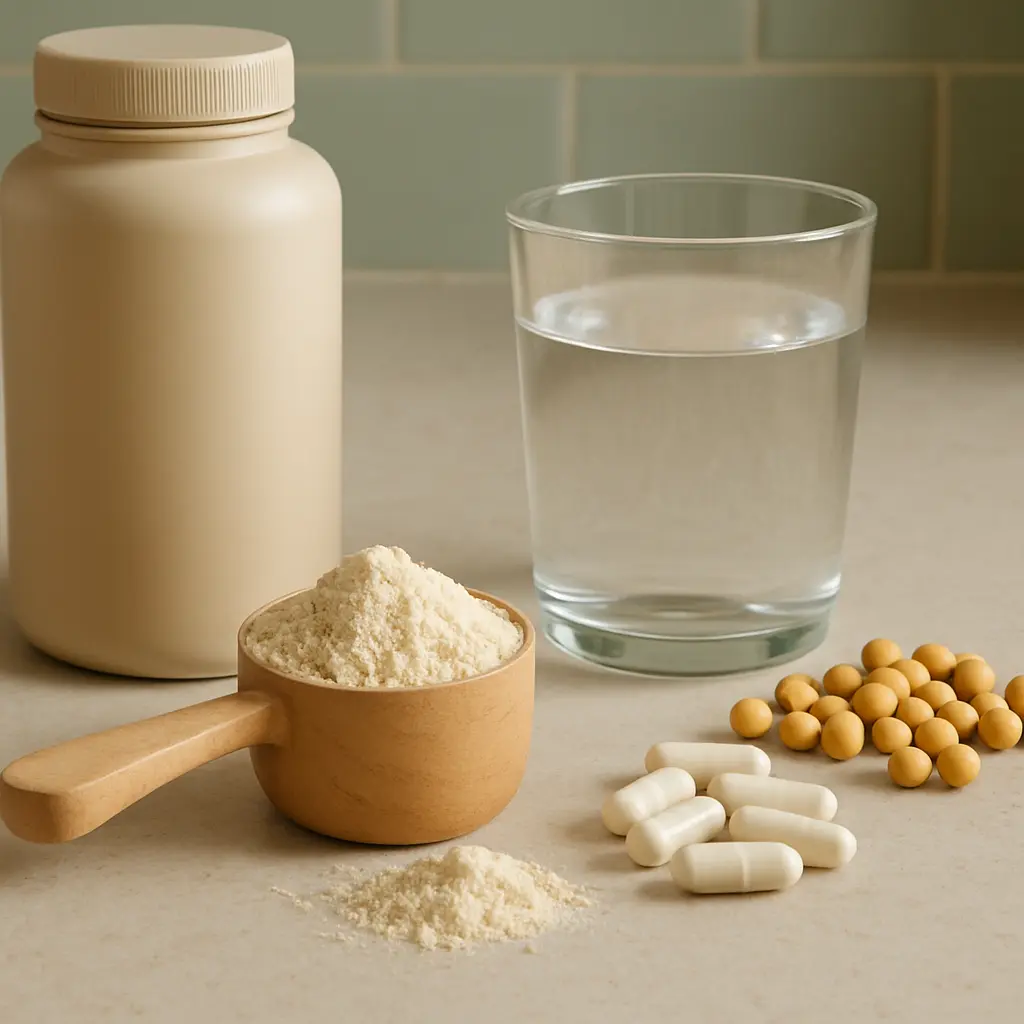
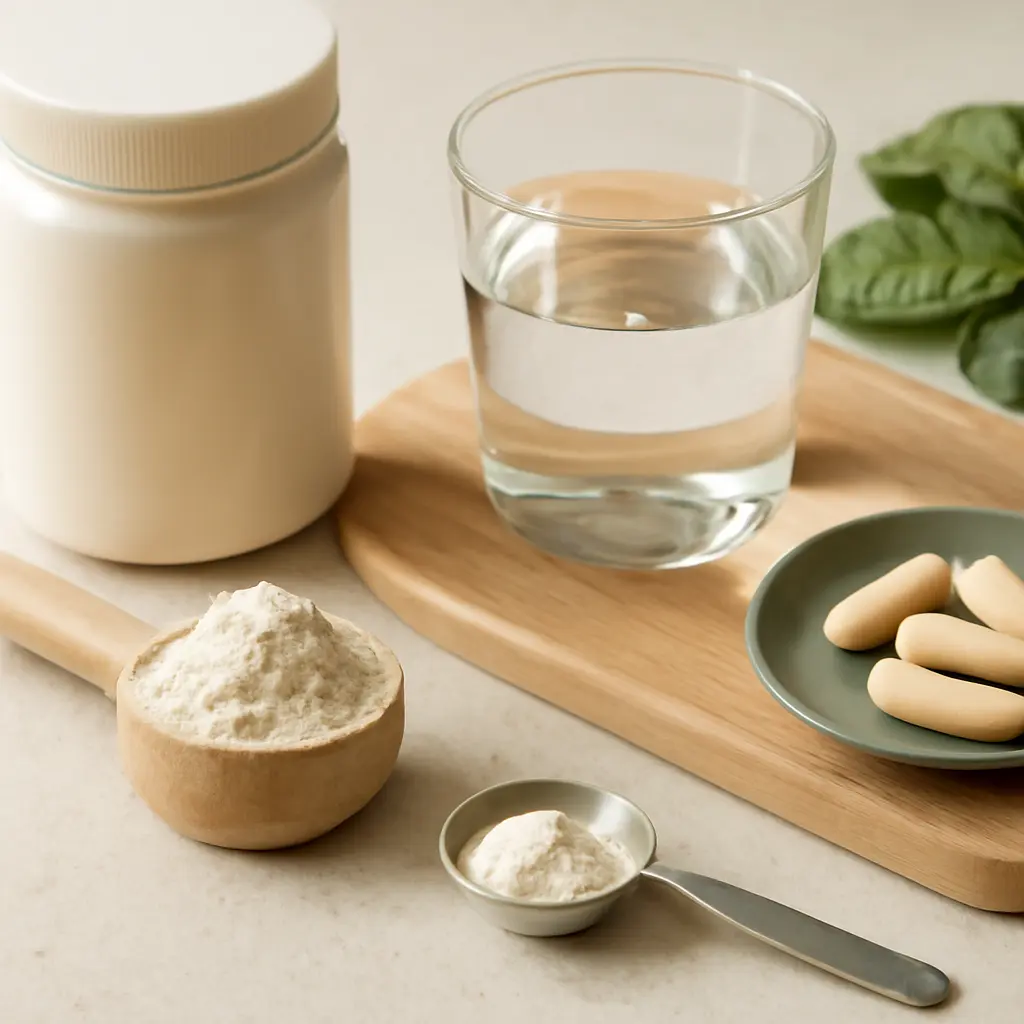
Most protein supplements on the market are derived from natural sources. Whey protein, a byproduct of milk during cheese production, is one of the most popular. It is praised for its high biological value, meaning the body can efficiently utilize the protein. Comparatively, a glass of milk contains about 8 grams of protein, while a serving of whey protein supplement can provide up to 21 grams, making it a potent option for meeting increased protein needs.For teenagers with lactose intolerance or dairy allergies, there are alternatives such as egg-based protein supplements and plant-based options like soy, pea, or rice protein. These alternatives provide versatility and inclusivity for individuals with dietary restrictions, ensuring that all teenagers can meet their protein requirements regardless of dietary limitations.
Safety and Benefits of Protein Supplementation
Protein supplements, when used appropriately, can be a safe addition to a teenager’s diet. They can help fill nutritional gaps and provide essential amino acids necessary for growth and development. The general protein requirement for teenagers ranges from 0.36 to 0.64 grams per pound of body weight, varying with factors such as age, sex, nutritional status, and physical activity level.Supplementation can be particularly advantageous for teenagers aiming to lose weight or those engaged in sports. By replacing high-calorie snacks with protein supplements, teens can manage weight more effectively while ensuring they receive adequate nutrition. However, moderation is crucial, as excessive protein intake can lead to unnecessary strain on the kidneys and other health issues.
Daily Use and Lifestyle Applications
Integrating protein supplements into a teenager’s daily routine can be straightforward and beneficial. They can be used to enhance meals or serve as quick, nutritious snacks between activities. For active teenagers, a protein shake post-workout can aid muscle recovery and maintain energy levels.It’s essential to adopt a balanced approach, combining protein supplements with whole foods. Encouraging meals that include lean meats, fish, beans, and nuts, alongside fruits and vegetables, ensures a comprehensive intake of vital nutrients. This holistic dietary strategy supports the overall health and development of teenagers beyond mere protein intake.
Balanced Perspective and Safety
While protein supplements offer numerous benefits, they should not replace whole foods or a varied diet. Parents and teenagers should be informed about the ingredients and nutritional content of supplements, opting for products free of unnecessary additives or excessive sugars.Consulting with a healthcare professional or a registered dietitian can provide personalized guidance, ensuring that supplementation aligns with individual health needs and goals. This proactive approach helps avoid potential health risks and fosters a positive relationship with nutrition during adolescence.In conclusion, protein supplementation can be a valuable component of a teenager’s diet when used thoughtfully. Emphasizing balance, safety, and informed choices allows teenagers to harness the benefits of protein for growth, development, and overall well-being.


