
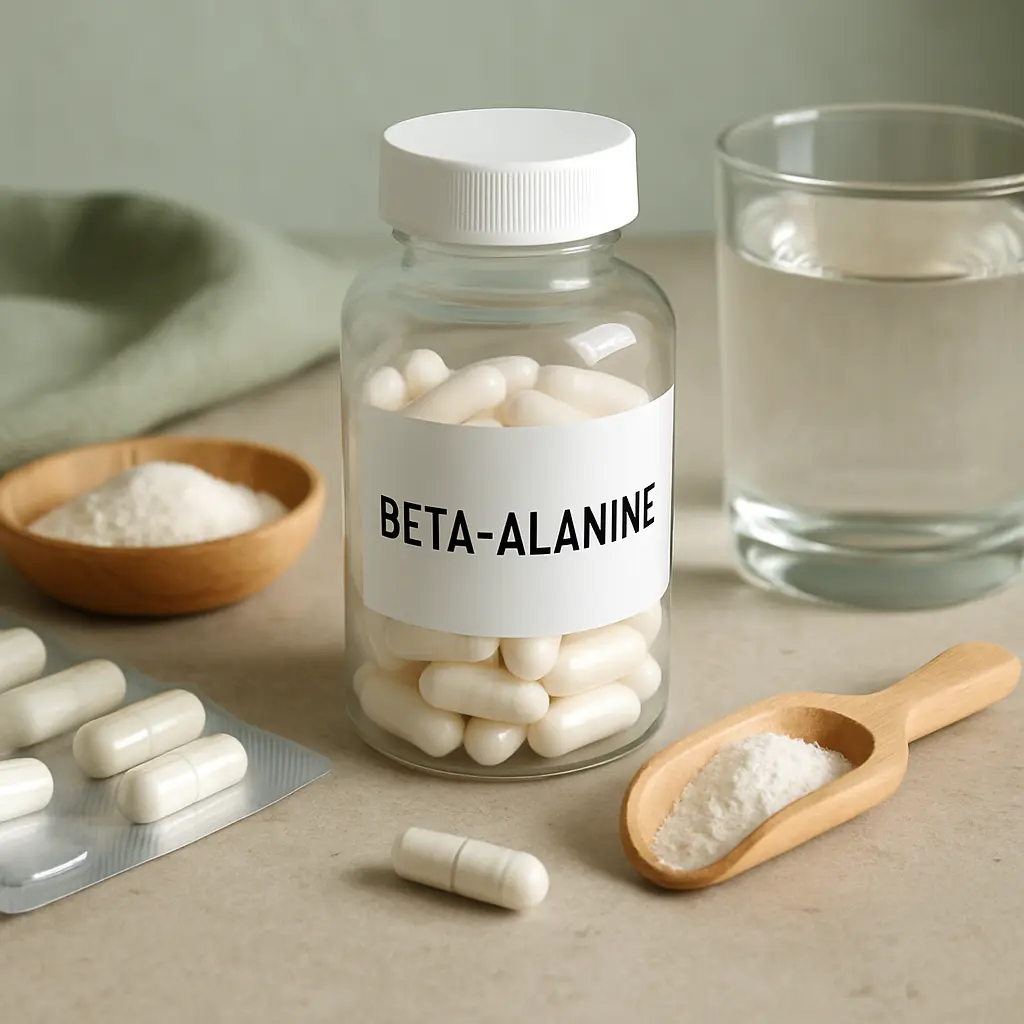
Understanding Beta-Alanine: A Comprehensive Guide to Its Health Benefits and Applications
In this page
Beta-alanine, though not a genetic building block like other amino acids, plays a significant role in various biological functions that promote health and enhance performance. In this article, we delve into the benefits of beta-alanine, its impact on athletic performance, its potential to slow aging, and its influence on blood flow. We also explore its scientific background and provide a balanced perspective on its safe and effective use.

Scientific Background and General Context
Beta-alanine is a non-essential amino acid, meaning the body can produce it on its own and it is not required in large quantities from the diet. Unlike essential amino acids that form proteins, beta-alanine contributes to the synthesis of carnosine, a dipeptide composed of beta-alanine and histidine. Carnosine is predominantly found in muscle tissue and plays a crucial role in buffering acid in muscles, which can delay muscle fatigue and enhance recovery.Carnosine levels in muscle are limited by the availability of beta-alanine, making beta-alanine supplementation a popular choice among athletes and fitness enthusiasts. By increasing intramuscular carnosine levels, beta-alanine helps maintain an optimal pH level, delaying the onset of fatigue during high-intensity exercise. This function is particularly beneficial for activities that rely on anaerobic energy systems, such as sprinting and weightlifting.
Benefits of Beta-Alanine for Enhanced Performance
The primary advantage of beta-alanine supplementation is its ability to enhance physical performance. Research indicates that regular intake of beta-alanine can significantly increase muscle carnosine concentrations. For instance, a typical regimen of 4 to 6 grams per day over the course of 4 to 10 weeks can raise muscle carnosine levels by as much as 80%. This increase allows athletes to train longer, harder, and more frequently.The mechanism behind this improvement lies in beta-alanine’s capacity to buffer hydrogen ions produced during intense exercise. By mitigating the drop in pH (acidosis) within muscles, beta-alanine reduces fatigue, allowing for prolonged exertion at higher intensities. This is especially beneficial for athletes involved in high-intensity sports where performance is often limited by lactic acid build-up.Furthermore, carnosine functions as an antioxidant, helping to protect cells from oxidative stress and damage. This protective effect extends beyond athletic performance, contributing to overall health and well-being.
Potential Anti-Aging and Health Benefits
Beyond its performance-enhancing capabilities, beta-alanine has been linked to potential anti-aging effects. Carnosine, formed from beta-alanine, exhibits properties that may slow the aging process. It acts as an antioxidant, reducing the formation of harmful compounds associated with aging.Carnosine’s ability to chelate metals and scavenge free radicals can help protect against cellular damage and promote cardiovascular health. By combating oxidative stress, carnosine may play a role in preventing age-related diseases and maintaining healthy cellular function.The anti-aging potential of carnosine also extends to neurological health. Some studies suggest that carnosine may protect brain cells from damage, potentially reducing the risk of neurodegenerative conditions. However, more research is needed to fully understand these effects and their implications for long-term health.
Improved Blood Flow and Nitric Oxide Production
Another noteworthy benefit of beta-alanine is its potential to enhance blood flow through increased nitric oxide production. Carnosine’s presence in the body is believed to stimulate nitric oxide synthesis, leading to vasodilation and improved circulation. This phenomenon, often referred to as the “muscle pump,” is characterized by enhanced vascular relaxation and increased delivery of oxygen and nutrients to muscles.Enhanced blood flow not only supports athletic performance but also contributes to cardiovascular health. Improved circulation can lower blood pressure and reduce the risk of heart disease. While the precise mechanisms remain under investigation, the association between beta-alanine supplementation and improved vascular function is promising.
Daily Use and Lifestyle Applications
Incorporating beta-alanine into a daily routine can be beneficial for individuals seeking to optimize their exercise performance and enhance overall health. For athletes and active individuals, consistent supplementation may lead to noticeable improvements in endurance, strength, and recovery.While beta-alanine is naturally present in foods like chicken, turkey, and beef, achieving the levels necessary for performance benefits typically requires supplementation. This is particularly relevant for vegetarians and older adults, who may have lower natural carnosine levels due to dietary restrictions or age-related muscle changes.For general health benefits, beta-alanine can be integrated into a balanced diet and active lifestyle. However, it is important to note that individual responses to supplementation may vary, and consulting with a healthcare professional before beginning any new supplement regimen is advisable.
Balanced Perspective and Safety
Despite its numerous benefits, beta-alanine supplementation should be approached with a balanced perspective. Potential side effects include a tingling sensation known as paresthesia, which is harmless but may be uncomfortable for some individuals. This sensation is typically experienced when consuming larger doses of beta-alanine in a single sitting and can be minimized by splitting the daily intake into smaller doses.As with any supplement, quality and purity are crucial. Choosing a reputable brand that conducts third-party testing can help ensure safety and efficacy. Additionally, while current research supports the use of beta-alanine for performance enhancement and potential health benefits, ongoing studies are necessary to fully understand its long-term effects and optimal dosages.In conclusion, beta-alanine is a versatile amino acid with wide-ranging benefits for athletic performance and general health. By enhancing muscle carnosine levels, it supports endurance, strength, and recovery, while its antioxidant properties contribute to cellular protection and potential anti-aging effects. With appropriate use and consideration of individual needs, beta-alanine can be a valuable addition to a healthy lifestyle.


