

The Comprehensive Guide to Creatine: Benefits, Types, and Usage
In this page
Creatine is a well-researched and popular supplement among athletes and fitness enthusiasts. It is commonly used to enhance performance, increase muscle mass, and improve overall strength. This article delves into what creatine is, how it functions within the body, the various forms available, and the recommended usage strategies. Additionally, we will explore the health implications of creatine supplementation, including benefits and safety considerations.

Scientific Background and General Context
Creatine, or β-methylguanidinoacetic acid, is a naturally occurring substance in the human body, primarily stored in muscle tissue. It is synthesized from amino acids such as glycine, arginine, and methionine. Creatine is not used to build proteins but plays a crucial role in energy metabolism, especially in tissues with high and fluctuating energy demands like muscles and the brain. About 95% of the body’s creatine is stored in muscles, while the remaining 5% is found in the brain, liver, and kidneys.
The primary function of creatine is to support the production and recycling of adenosine triphosphate (ATP), the energy currency of cells. During high-intensity activities, ATP is rapidly depleted. Creatine phosphate acts as a reserve to quickly regenerate ATP, thereby enhancing energy availability. This mechanism is particularly beneficial during short bursts of intense physical activity, such as weightlifting or sprinting.
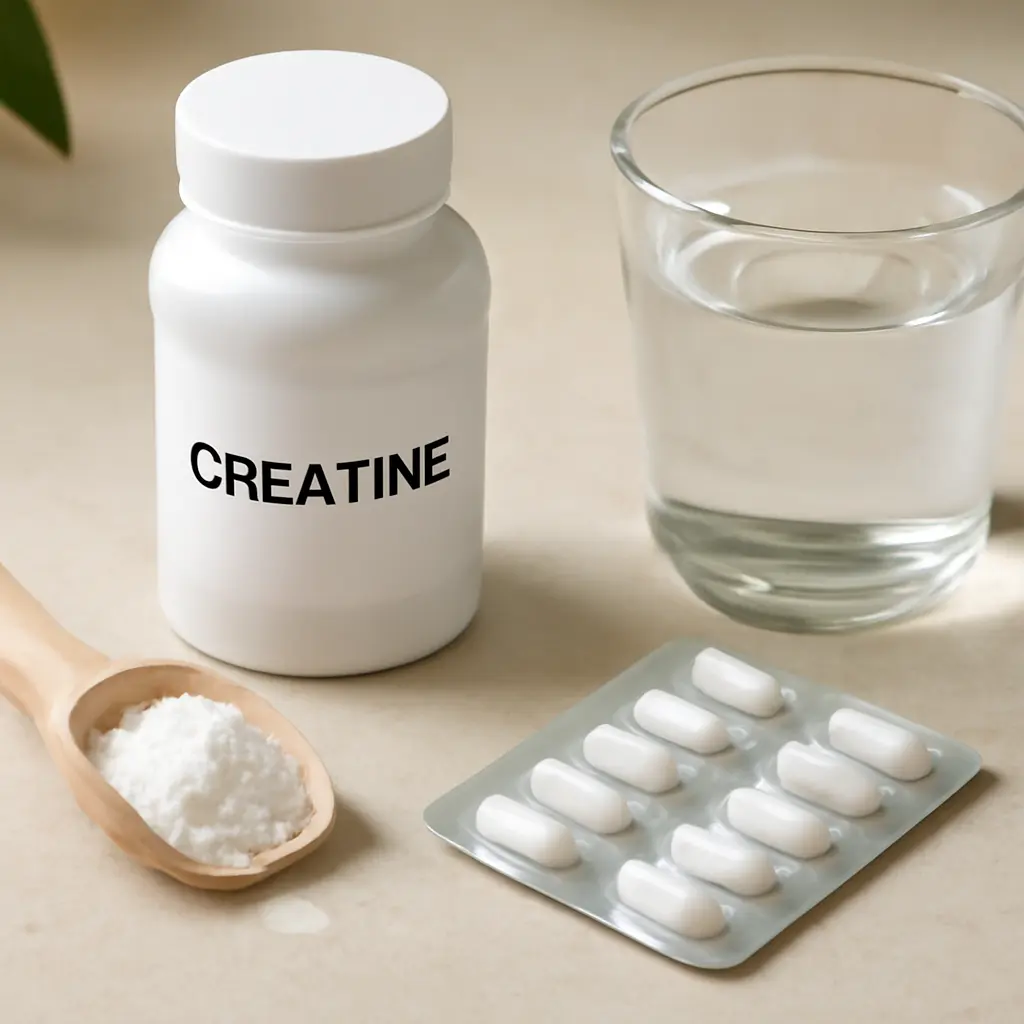
How Creatine Works
Creatine enhances physical performance by increasing the availability of phosphocreatine in the muscles. Phosphocreatine donates a phosphate group to adenosine diphosphate (ADP) to produce ATP, which provides energy for muscle contractions. This energy support is particularly valuable during high-intensity exercises when ATP demand exceeds its production rate through normal metabolic pathways.
Moreover, creatine influences cellular processes beyond energy production. It activates signaling pathways involved in muscle growth, such as the mTOR (mammalian target of rapamycin) pathway, which enhances protein synthesis. Creatine also contributes to muscle cell hydration, supporting an anabolic environment conducive to muscle growth. These combined effects make creatine a powerful supplement for enhancing muscle mass and strength.
Benefits of Creatine Supplementation
Research has consistently shown that creatine supplementation provides several benefits, especially for athletes engaged in strength and power sports:
- Increased Muscle Mass: Creatine draws water into muscle cells, leading to cell volumization, which contributes to muscle size. Additionally, creatine enhances protein synthesis and muscle growth.
- Improved Exercise Performance: By increasing phosphocreatine stores, creatine allows for more prolonged and intensive exercise sessions, improving performance in activities requiring short bursts of energy.
- Enhanced Recovery: Creatine aids in quicker recovery from exercise by reducing muscle cell damage and inflammation after intense exercise.
- Support for Cognitive Function: Emerging research suggests that creatine may have cognitive benefits, potentially improving mental performance and reducing fatigue, especially in tasks requiring short-term memory and quick thinking.
Types of Creatine
The market offers various forms of creatine supplements, each with unique properties, aimed at improving absorption and effectiveness:
Creatine Monohydrate
Creatine monohydrate is the most studied and widely used form. It is creatine bound with a water molecule, making it stable and effective. Most research on creatine has been conducted using this form, which is known for its efficacy in enhancing physical performance and muscle mass.
Creatine Ethyl Ester
This form is creatine bound to an ester compound, designed to increase absorption rates. However, studies comparing it to creatine monohydrate are mixed, with some suggesting similar effectiveness in muscle creatine saturation.
Buffered Creatine
Buffered creatine, such as Kre-Alkalyn, is purported to have a higher pH level, which may reduce stomach discomfort and improve stability. Despite these claims, scientific evidence supporting superior efficacy over creatine monohydrate is limited.
Creatine Hydrochloride (HCl)
Creatine HCl is known for its high solubility, which might enhance absorption and reduce gastrointestinal side effects. Users often report needing smaller doses to achieve similar results to creatine monohydrate.
Daily Use and Lifestyle Applications
Creatine can be integrated into various lifestyle and training routines. For general performance enhancement, a daily dose of 3-5 grams of creatine monohydrate is typically recommended. This dosage can be taken at any time of day, but many athletes prefer consuming it post-exercise to maximize uptake by muscles. Some protocols include a loading phase of 20 grams per day for 5-7 days to rapidly saturate muscle creatine stores, followed by a maintenance dose.
In addition to athletic use, creatine may benefit older adults by aiding in muscle maintenance and reducing age-related muscle loss. For those focused on cognitive health, ongoing research investigates creatine’s potential role in supporting brain function, especially in sleep-deprived individuals.
Balanced Perspective and Safety
Creatine is generally regarded as safe for long-term use, with minimal side effects when consumed within recommended doses. Common myths about creatine causing kidney damage or dehydration have been debunked by scientific studies. However, some individuals may experience gastrointestinal discomfort at high doses, which can be mitigated by splitting doses throughout the day.
Creatine supplementation can offer significant benefits for muscle growth, performance enhancement, and possibly cognitive health. It is crucial for users to consider individual health conditions and consult healthcare providers, especially in the presence of kidney concerns or other chronic health issues.
Conclusion
Creatine remains a staple supplement for athletes and fitness enthusiasts due to its proven benefits in enhancing performance and muscle growth. Understanding the different forms and optimal usage strategies can help individuals tailor their supplementation to meet specific health and fitness goals. As research continues to explore creatine’s broader applications, its role in supporting both physical and cognitive health is becoming increasingly recognized.


