
The Science of Caffeine: Enhancing Performance and Supporting Fat Loss
In this page
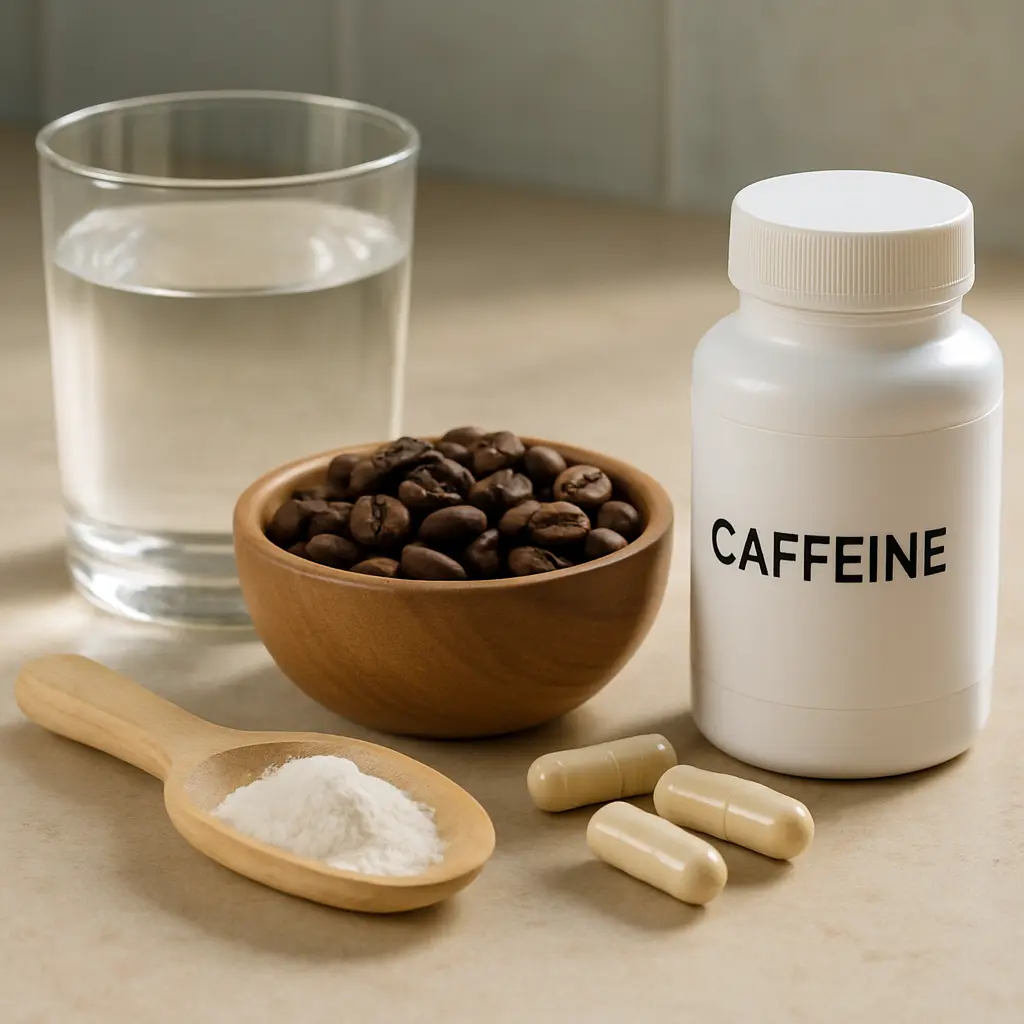
Caffeine is a widely recognized stimulant that is popular among athletes and the general population alike. Its ability to block adenosine receptors in the brain enhances alertness, reduces fatigue, and can improve physical performance. This article explores caffeine’s mechanisms, its role in athletic performance, and its potential impact on fat loss. Additionally, we will examine the differences between natural and synthetic caffeine sources, and assess the safety and efficacy of caffeine consumption as a performance enhancer and weight management aid.

Scientific Background and General Context
Caffeine, a natural stimulant found in coffee, tea, and various other plants, is one of the most consumed psychoactive substances worldwide. Its primary mechanism of action involves blocking the neurotransmitter adenosine, which contributes to feelings of tiredness. By inhibiting adenosine, caffeine promotes increased neural activity and the release of other neurotransmitters like dopamine and norepinephrine, leading to heightened alertness and energy levels.In the context of sports and exercise, caffeine has been extensively studied for its ergogenic effects. This term refers to its ability to enhance physical performance, especially in endurance sports. Research suggests that caffeine can improve endurance by allowing athletes to continue exercising even when muscle glycogen stores are low. This occurs because caffeine enhances fat oxidation, making more energy available from fat stores and sparing glycogen for prolonged muscular activity.Moreover, a comprehensive meta-analysis of caffeine studies has demonstrated its effectiveness in improving various aspects of physical performance, including muscular endurance, strength, and sprinting speed. These benefits make caffeine a valuable tool for athletes looking to optimize their performance naturally.
Caffeine and Fat Loss
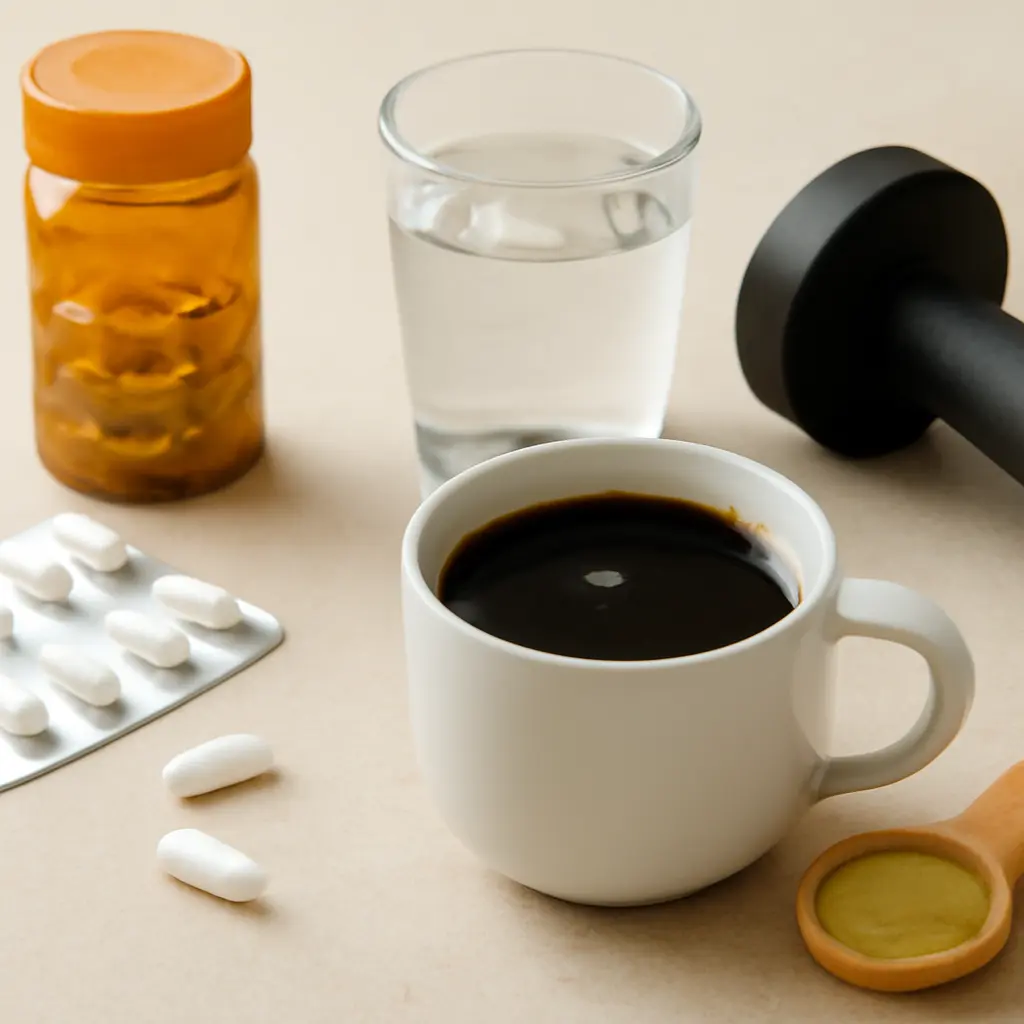
The role of caffeine in fat loss is a topic of considerable scientific interest. A systematic review and meta-analysis of clinical trials involving over 600 participants have shown that caffeine consumption can facilitate weight loss, reduce body mass index (BMI), and lower body fat percentage. These findings are significant, as they confirm caffeine’s potential as a weight management aid.Caffeine promotes the breakdown of fats by stimulating the release of adrenaline, which activates beta-adrenergic receptors in fat tissues. This process, known as lipolysis, leads to increased fat oxidation and energy expenditure. Furthermore, caffeine enhances metabolic rate, which can contribute to a calorie deficit necessary for weight loss.It is important to note that the effects of caffeine on fat loss can vary depending on individual factors such as genetics, tolerance, and habitual caffeine consumption. For optimal results, it is advised to consume moderate to high doses of caffeine (approximately 3-5 mg per pound of body weight) to stimulate significant metabolic changes.
Daily Use and Lifestyle Applications
Caffeine is not only beneficial for athletes but also for those seeking improved cognitive function and daily performance. Its ability to enhance alertness and concentration makes it a popular choice for students, professionals, and anyone needing an extra boost throughout the day.For athletes, the timing and form of caffeine intake can impact its effectiveness. Studies suggest that consuming caffeine about an hour before exercise can maximize its performance-enhancing effects. Caffeine is available in various forms, including coffee, tea, energy drinks, and supplements such as capsules and powders.It’s crucial to note that not all caffeine sources are created equal. While coffee is a popular choice for many, research indicates that synthetic caffeine in supplements may have a more pronounced ergogenic effect than natural caffeine from coffee. This difference may be due to the presence of other compounds in coffee that can interfere with caffeine’s action.
Balanced Perspective and Safety
While caffeine offers numerous benefits, moderation is key. Excessive caffeine consumption can lead to adverse effects such as increased heart rate, anxiety, digestive issues, and sleep disturbances. Individuals vary in their sensitivity to caffeine, and it’s important to find a balance that maximizes benefits while minimizing negative effects.For athletes, the use of caffeine should be strategized to avoid potential drawbacks. Energy drinks, often marketed to athletes, may contain insufficient caffeine levels while being high in sugars and other non-essential ingredients. Athletes should focus on caffeine sources that deliver the desired effects without unnecessary additives.Additionally, caffeine tolerance can develop with regular use, reducing its effectiveness over time. Cycling caffeine intake, such as taking periodic breaks, can help maintain its ergogenic and metabolic benefits.In conclusion, caffeine is a powerful ally for both performance enhancement and weight management, with significant scientific support for its efficacy. By understanding its mechanisms and applications, individuals can harness caffeine’s potential to improve their athletic and cognitive performance safely and effectively.


