
Caffeine: From Coffee Beans to Supplements
In this page
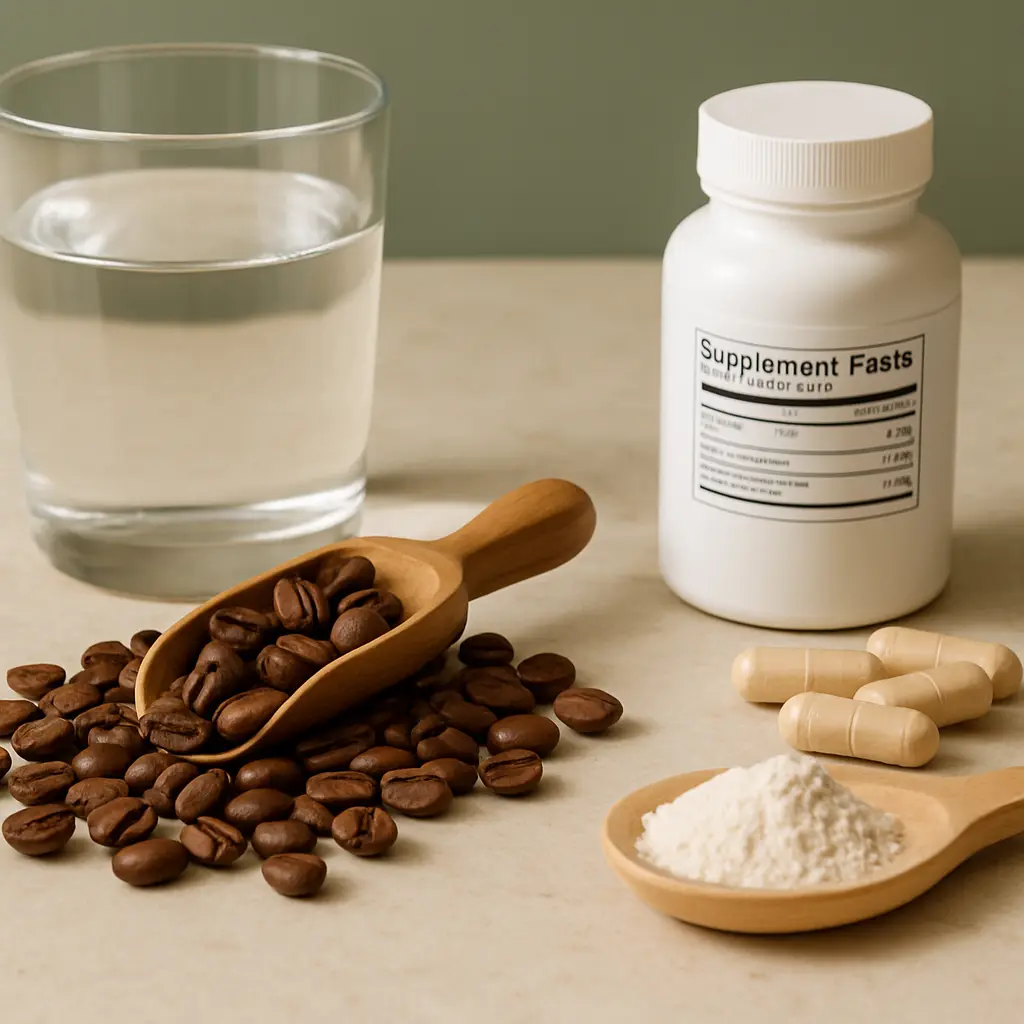
Caffeine is one of the most widely consumed psychoactive substances globally, popularized through coffee consumption. Its stimulating properties have been documented for centuries, and recent research underscores its potential health benefits. This article delves into the science of caffeine, its effects on the body, and explores the use of caffeine supplements, which provide a concentrated dose of this stimulant. We will also discuss safe usage guidelines, potential benefits, and how caffeine can be combined with other substances for enhanced physical and cognitive effects.
Scientific Background and General Context
Caffeine is a naturally occurring compound found in various plants, most famously in coffee beans, tea leaves, and cacao pods. It belongs to a class of compounds known as alkaloids, which are characterized by their significant physiological effects on humans. The structure of caffeine closely resembles that of the neurotransmitter adenosine, allowing it to effectively block adenosine’s calming effects in the brain, thereby enhancing alertness and reducing the perception of fatigue.
The historical use of coffee, and thus caffeine, can be traced back to Ethiopia, where local tribes are believed to have consumed coffee cherries for their energizing effects. The practice spread to the Arabian Peninsula, where the process of roasting coffee beans was refined, and coffee drinking became a social ritual. By the 17th century, coffee had made its way to Europe, establishing itself as a staple beverage, with Italy being one of the first European nations to embrace the coffee culture.
The Rise of Caffeine Supplements
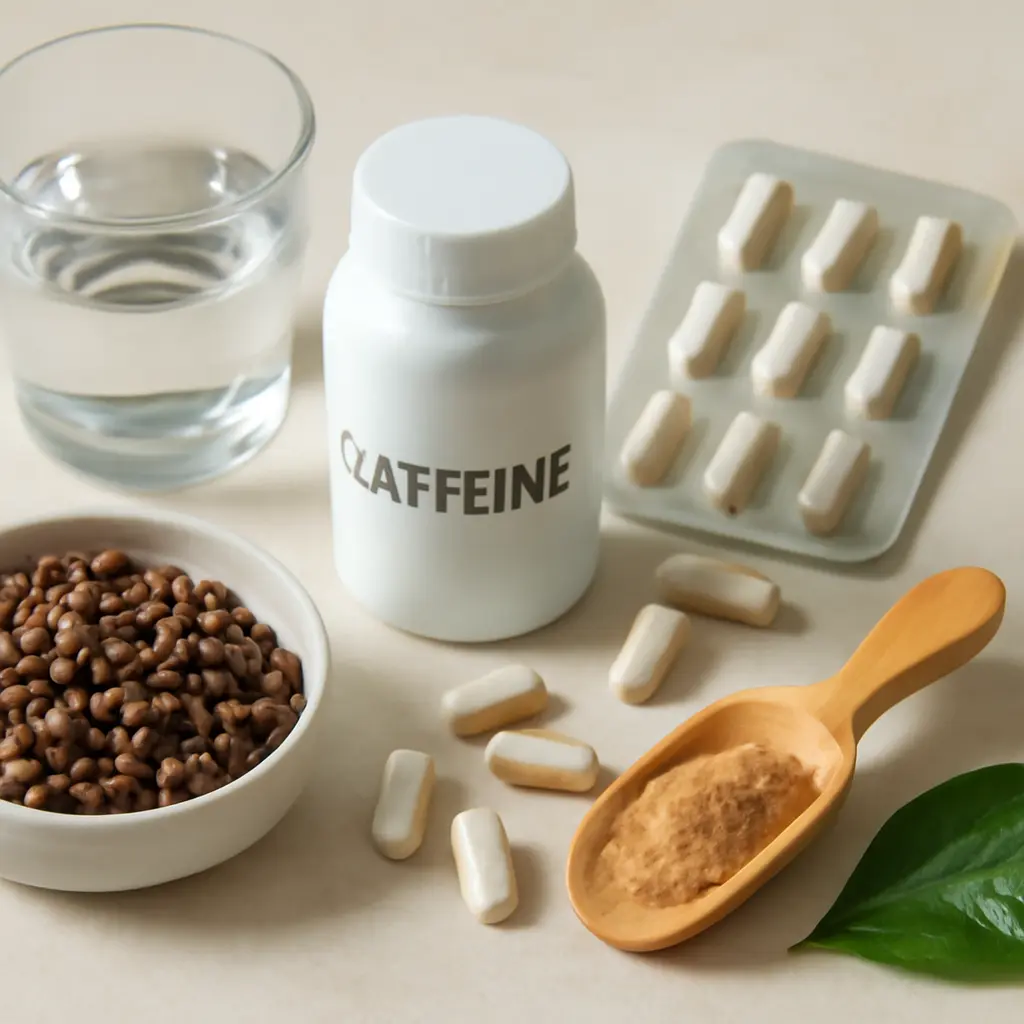
Caffeine supplements have gained popularity as an alternative to traditional caffeine sources like coffee or tea. These supplements usually contain anhydrous (water-free) caffeine, which is either synthetically produced or extracted from natural sources. Anhydrous caffeine is more concentrated, providing a precise dosage that can be advantageous for those seeking specific performance or cognitive benefits.
While caffeine in coffee is accompanied by various other compounds such as antioxidants and polyphenols, caffeine supplements offer the active ingredient in isolation. This concentrated form can be particularly useful for athletes or those needing a quick boost of energy without the added volume or taste of a caffeinated beverage. Furthermore, decaffeinated coffee or tea options exist for individuals sensitive to caffeine, allowing them to enjoy the drink’s flavors without the stimulant effects.
Mechanism of Action and Effects
Caffeine exerts its stimulating effects primarily by antagonizing adenosine receptors in the brain. Adenosine is a neuromodulator that promotes relaxation and sleepiness as it accumulates throughout the day. By blocking these receptors, caffeine prevents the onset of fatigue, thereby increasing alertness and concentration. Beyond mental stimulation, caffeine has been shown to enhance physical performance by increasing adrenaline production, which can improve endurance and strength during exercise.
Additionally, caffeine’s impact extends to the respiratory system by relaxing smooth muscles in the airways, potentially benefiting individuals with breathing difficulties such as asthma. It also holds potential as a pain reliever, augmenting the effects of certain analgesics and providing relief from migraine headaches through its vasoconstrictive properties.
Safe Dosage and Considerations
The recommended caffeine dosage varies based on individual tolerance, frequency of use, and source of caffeine. A common guideline for safe consumption is 1.5 to 5.5 mg of caffeine per pound of body weight per day. However, regular users may develop a tolerance, necessitating a higher dose to achieve the same effects. It is advisable to periodically take breaks from caffeine to reset this tolerance and avoid increasing the dose beyond safe limits.
Caffeine begins to take effect approximately 15 to 45 minutes after ingestion, reaching peak blood concentration within 30 to 60 minutes. Its stimulating effects can last between three to six hours, depending on metabolism and tolerance levels. Users are encouraged to monitor their intake, as excessive consumption can lead to side effects such as jitteriness, insomnia, and increased heart rate.
Daily Use and Lifestyle Applications
Caffeine is widely used to enhance cognitive function, particularly in tasks requiring sustained attention and concentration. It is a common component of pre-workout supplements due to its ability to increase performance in both endurance and strength-based activities. Caffeine can also aid in weight management by boosting metabolism and promoting fat oxidation.
For cognitive enhancement, caffeine is often combined with other compounds like L-theanine, found in tea, which has calming properties that can offset caffeine’s potential to cause anxiety. This combination is popular among students and professionals seeking to optimize focus and reduce stress. Similarly, combining caffeine with adaptogens like Rhodiola Rosea can enhance mood and resilience to stress, making it a versatile tool for mental and physical performance.
Balanced Perspective and Safety
Despite its benefits, caffeine consumption should be approached with caution, particularly for individuals with pre-existing health conditions such as heart disease or anxiety disorders. Pregnant individuals are advised to limit caffeine intake due to potential risks to fetal development. Furthermore, caffeine can interact with certain medications, necessitating consultation with a healthcare provider if there are any concerns.
Understanding one’s personal tolerance and being mindful of cumulative caffeine intake from all sources is key to enjoying its benefits without adverse effects. By respecting these guidelines, caffeine can be a valuable ally in enhancing both cognitive and physical capacities, aligning with a balanced and health-conscious lifestyle.
Caffeine’s journey from a humble plant compound to a prevalent supplement underscores its significance in modern life. Whether consumed through traditional beverages or as a targeted supplement, caffeine remains a powerful tool for optimizing performance and well-being when used responsibly.


