
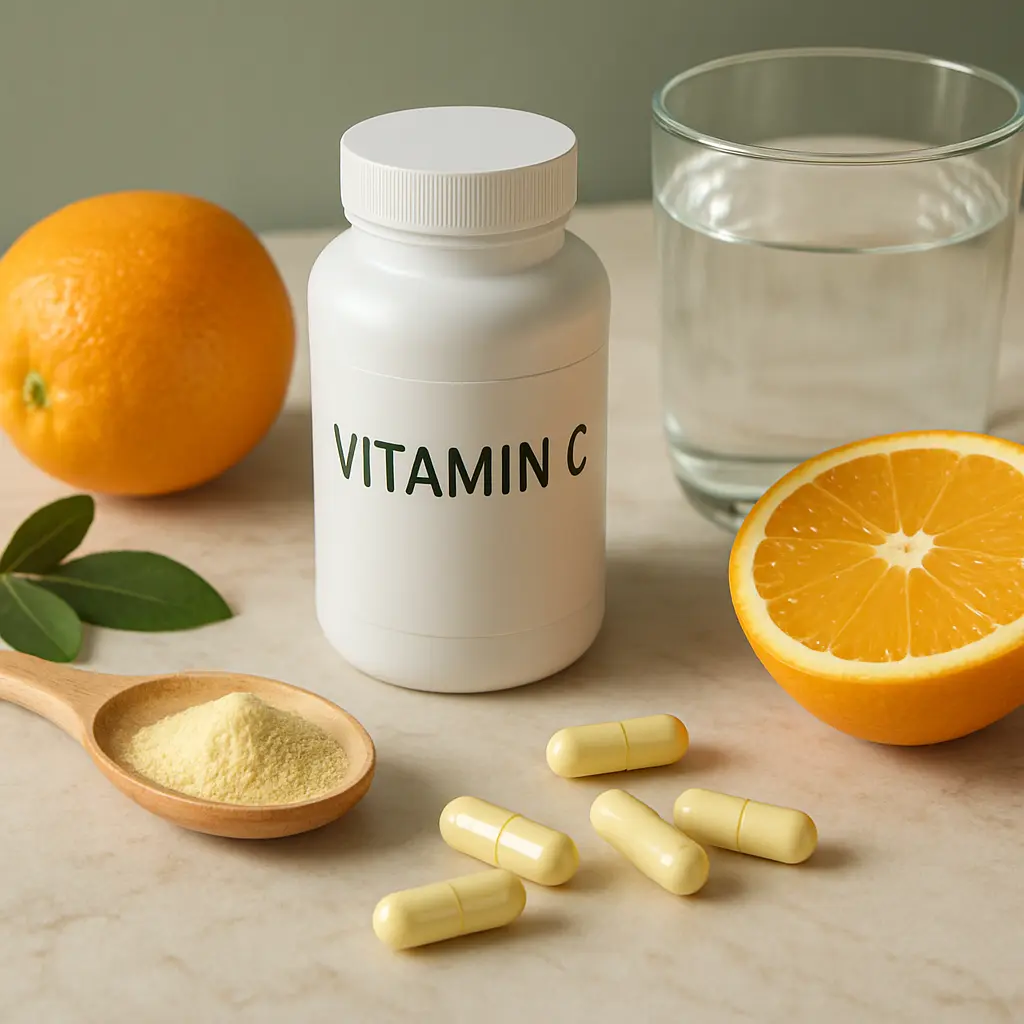
The Essential Role and Impact of Vitamin C on Health
In this page
Vitamin C, also known as ascorbic acid, has long been recognized for its vital role in maintaining health. Its discovery in the early 20th century revolutionized the understanding of deficiency diseases like scurvy, a condition that plagued sailors for centuries. This article will explore the multifaceted functions of Vitamin C, its dietary needs, consequences of deficiency, and the role of supplementation. With its contributions to immune function, skin health, and more, Vitamin C remains a cornerstone of nutritional science.

Scientific Background and General Context
Vitamin C is a water-soluble vitamin, meaning it dissolves in water and is not stored in the body, thus requiring regular intake. Humans, unlike most animals, cannot synthesize Vitamin C, making dietary sources essential. The identification of Vitamin C in the 1930s by Hungarian biochemist Albert Szent-Györgyi, who isolated it from paprika, was a breakthrough in both nutritional science and the prevention of scurvy. This Nobel Prize-winning discovery underscored the importance of Vitamin C in cell protection, collagen synthesis, and immune support.Its role as an antioxidant helps neutralize free radicals, which are unstable molecules that can damage cells. Free radical damage has been associated with various chronic diseases, including cancer and cardiovascular disease. Vitamin C’s capability to mitigate this damage is one reason it is valued in disease prevention and overall health maintenance.

Functions of Vitamin C
Vitamin C plays several critical roles in the body, influencing systems ranging from the integumentary to the immune system. Understanding these functions can guide how we appreciate and prioritize Vitamin C in our diets.
Antioxidant Defense
Vitamin C is renowned for its potent antioxidant properties. Antioxidants are substances that can prevent or slow damage to cells caused by free radicals, which are byproducts of metabolism that can lead to oxidative stress. This stress is linked to chronic diseases such as cancer and cardiovascular disorders. By protecting cells from oxidative damage, Vitamin C supports overall cellular health and longevity.
Collagen Synthesis and Skin Health
Collagen is a protein that provides structure and elasticity to the skin, tendons, ligaments, and blood vessels. Vitamin C is essential for the biosynthesis of collagen, making it vital for the maintenance of skin integrity, wound healing, and the prevention of joint issues. Adequate Vitamin C intake is associated with a more youthful appearance and improved skin health, as it helps in repairing tissues and maintaining a robust skin barrier.
Immune System Support
The immune system relies heavily on Vitamin C to function optimally. It enhances the production and function of white blood cells, which are crucial to detecting and eliminating pathogens. Furthermore, Vitamin C enhances the skin’s defense system and supports the barrier against pathogens. It also helps in the absorption of iron from plant-based foods, which is essential for maintaining healthy red blood cells and preventing anemia.
Daily Use and Lifestyle Applications
The Recommended Dietary Allowance (RDA) for Vitamin C varies by age, gender, and life stage. For adult women, it is approximately 75 mg per day, while for men, it is about 90 mg per day. However, these needs can fluctuate based on various factors.
Increased Needs
Certain conditions and lifestyle choices can increase the body’s requirement for Vitamin C. Pregnant and lactating women need more Vitamin C to support fetal growth and milk production. Smokers are at a higher risk of Vitamin C deficiency because smoking depletes Vitamin C levels and increases oxidative stress, necessitating higher intake. Similarly, chronic stress, rigorous physical activity, and certain health conditions like hypertension can elevate Vitamin C requirements.
Sources of Vitamin C
Vitamin C is abundant in fruits and vegetables. Excellent sources include citrus fruits, strawberries, kiwi, bell peppers, broccoli, and Brussels sprouts. Incorporating a variety of these foods into daily meals ensures adequate intake and supports overall health. Cooking methods can affect Vitamin C content, so raw consumption or minimal cooking is advisable to preserve its nutritional value.
Balanced Perspective and Safety
While Vitamin C is crucial, it’s important to maintain balance. Excessive intake, particularly from supplements, can lead to side effects such as gastrointestinal discomfort and, in rare cases, kidney stones. The tolerable upper intake level (UL) for adults is set at 2,000 mg per day.
Deficiency and Health Implications
Vitamin C deficiency can lead to several health issues, the most severe being scurvy, characterized by bleeding gums, joint pain, and fatigue. While scurvy is rare today, mild deficiencies can still occur, leading to symptoms like weak immunity, slow wound healing, and iron-deficiency anemia. Ensuring a diet rich in Vitamin C can prevent these issues and promote a healthy immune system.
Vitamin C Supplementation: Research Insights
Research continues to uncover the potential benefits of Vitamin C supplementation. Studies have explored its role in managing chronic conditions and enhancing immune response, particularly under stress or illness.
Immune Function and Infection
Recent studies have investigated the efficacy of Vitamin C in reducing the severity and duration of infections. For instance, Vitamin C is shown to modulate the inflammatory response and may offer benefits during acute respiratory illnesses. However, while it can support immune function, it is not a cure-all and should be part of a comprehensive approach to health.
Chronic Disease Management
Evidence suggests that Vitamin C supplementation may aid in managing conditions like hypertension and diabetes. Meta-analyses have indicated that high doses of Vitamin C can lower blood pressure and improve blood sugar control in individuals with type 2 diabetes. These findings are promising, though further research is necessary to confirm long-term benefits and optimize treatment protocols.
Conclusion
Vitamin C is an essential nutrient that supports various aspects of health, from immune defense to collagen production and antioxidant protection. While dietary sources are typically sufficient for meeting daily needs, certain life stages and lifestyle factors may necessitate increased intake. Supplementation can offer additional benefits, particularly for those with specific health challenges, but should be approached with balance and caution to avoid excessive intake. Ensuring a diet rich in Vitamin C through natural food sources remains the most effective strategy for maintaining optimal health.


