
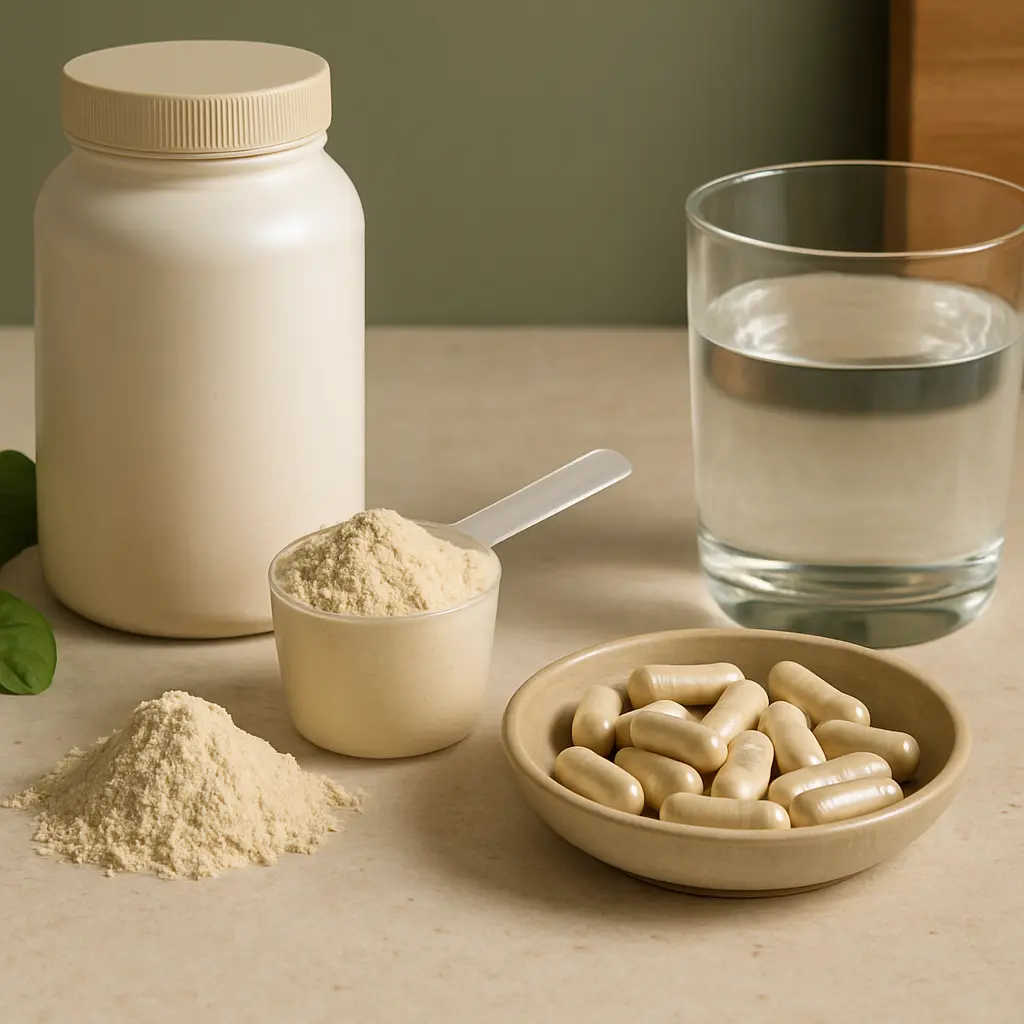
The Comprehensive Guide to Protein Supplements: Benefits, Types, and Uses
In this page
Protein supplements have become a staple in the fitness and health industry, offering a convenient way for athletes and health enthusiasts to meet their protein needs. These supplements play a critical role in muscle growth, repair, and overall bodily functions. This article will delve into the science behind protein supplements, the various types available, their benefits, and how they can be effectively incorporated into daily routines. We will also explore the consequences of protein deficiency and the innovative ways to use protein supplements beyond traditional shakes.

Scientific Background and General Context
Protein is an essential macronutrient required for numerous bodily functions, including the building and repair of tissues, production of enzymes and hormones, and support of immune system health. The body cannot store protein as it does with carbohydrates or fats, meaning a regular intake is crucial. Protein supplements offer a concentrated, convenient source of this critical nutrient, particularly valuable for those with increased needs such as athletes, older adults, or individuals recovering from illness or injury.
Protein supplements are typically derived from either animal or plant sources. The process involves extracting and isolating protein from raw materials like milk, soy, or peas, often using techniques such as filtration or drying to create a powdered form. This makes them easy to mix into shakes, meals, or snacks, providing a practical way to boost protein intake.
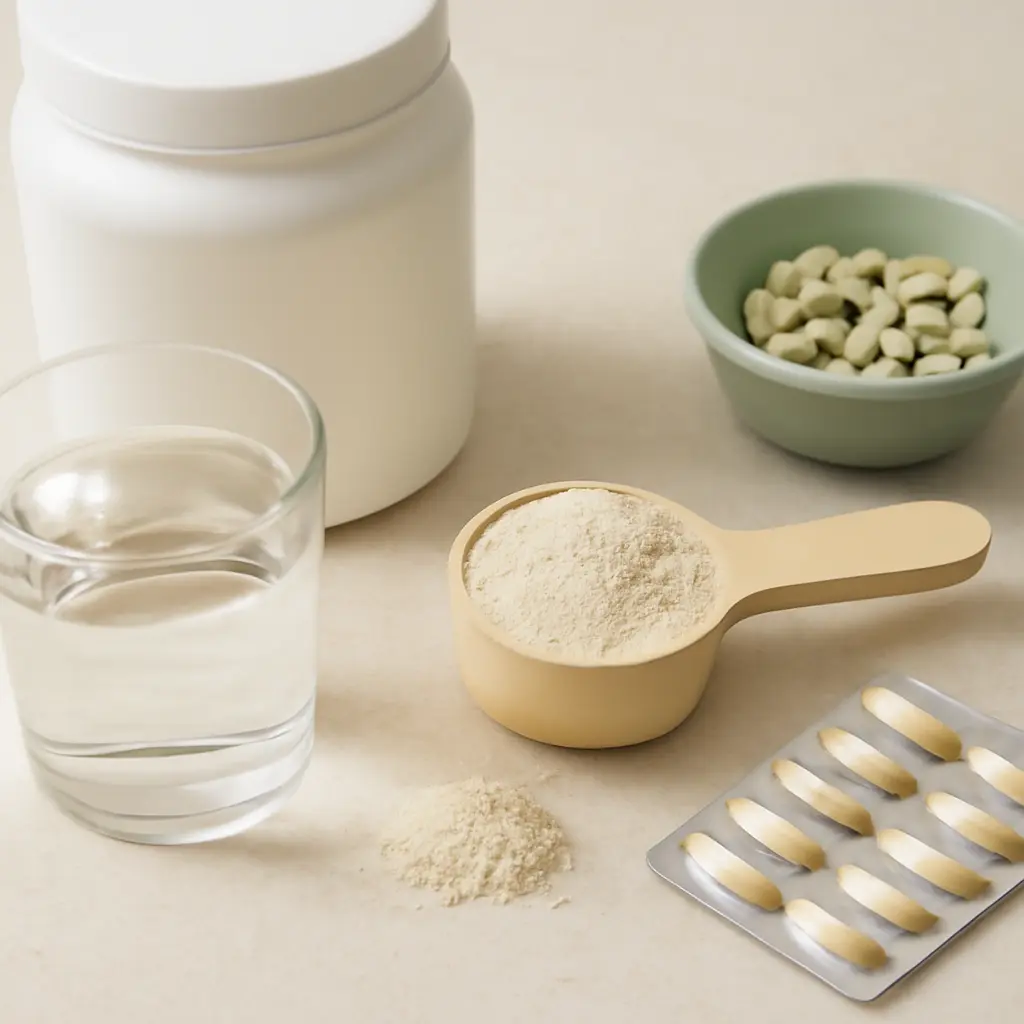
Types of Protein Supplements
Dairy-Based Proteins
Dairy-based proteins, primarily whey and casein, are among the most popular and widely used. Whey protein is quickly absorbed by the body, making it ideal for post-workout recovery. It contains all essential amino acids, which are crucial for muscle repair and synthesis. Casein, conversely, digests more slowly and is often consumed before bed to provide a sustained release of amino acids.
Both whey and casein are derived from milk and can be found in various forms, such as concentrates, isolates, and hydrolysates, each differing in protein content and lactose level. For those with lactose intolerance, there are lactose-free versions available.
Plant-Based Proteins
Plant-based protein supplements are an excellent alternative for vegetarians, vegans, or those allergic to dairy products. Common sources include soy, pea, rice, and hemp proteins. These supplements are often blended to provide a complete amino acid profile, as most plant proteins lack one or more essential amino acids.
Soy protein is well-known for its high-quality protein content, comparable to animal protein sources. Pea protein is easily digestible and hypoallergenic, making it suitable for individuals with allergies. Rice and hemp proteins, while not complete proteins on their own, are valuable additions when combined with other plant sources.
Daily Use and Lifestyle Applications
For Athletes and Fitness Enthusiasts
For those engaged in regular physical activity, protein supplements can accelerate muscle recovery, enhance muscle growth, and support overall performance. Consuming protein post-exercise helps repair muscle damage caused by intensive workouts, while pre-workout proteins can provide energy and endurance.
Weight Management and Satiety
Protein supplements can aid in weight management by promoting satiety and reducing overall calorie intake. High protein intake increases thermogenesis, the process of burning calories through digestion, which can support weight loss or maintenance goals. Moreover, protein-rich meals can help control appetite and decrease the likelihood of overeating.
For the Aging Population
As we age, maintaining muscle mass and strength becomes increasingly important. Protein supplements can help counteract muscle loss, known as sarcopenia, prevalent among older adults. By ensuring adequate protein intake, seniors can maintain their independence and reduce the risk of falls and fractures.
Balanced Perspective and Safety
While protein supplements offer numerous benefits, they should be used judiciously as part of a balanced diet. Excessive protein intake can lead to unnecessary strain on the kidneys and may cause digestive issues in some individuals. It is essential to stay within the recommended dietary allowance for protein and to consult a healthcare provider if you have underlying health concerns.
Furthermore, not all protein supplements are created equal. When choosing a product, consider factors such as protein source, amino acid profile, and additional ingredients like sugars or additives. Opt for reputable brands that undergo rigorous testing for quality and purity to ensure safety and efficacy.
Consequences of Protein Deficiency
A lack of adequate protein intake can lead to significant health issues. Protein deficiency may impair immune function, increasing susceptibility to infections. It can also affect muscle mass, leading to weakness and fatigue, and potentially impact brain function by disrupting neurotransmitter production.
Individuals at risk of protein deficiency include those with restricted diets, chronic illnesses, or increased protein needs that are not met through diet alone. For these individuals, protein supplements can help fill nutritional gaps and support overall health and well-being.
Innovative Uses for Protein Supplements
Protein supplements are versatile ingredients that can be incorporated into various meals and snacks beyond traditional shakes. Adding protein powder to oatmeal, pancakes, or baked goods like muffins and cookies can enhance their nutritional profile. Homemade protein bars, combining protein powder with nuts, seeds, and dried fruits, offer a nutritious, on-the-go snack.
Protein smoothies, blending protein powder with fruits, vegetables, and non-dairy milk, make for a complete and balanced meal. Additionally, unflavored protein powders can be mixed into soups, sauces, and dressings, increasing the protein content without altering flavor.
With creativity and careful integration, protein supplements can become a valuable component of a varied and nutritious diet, supporting a healthy lifestyle and meeting individual dietary needs.


