
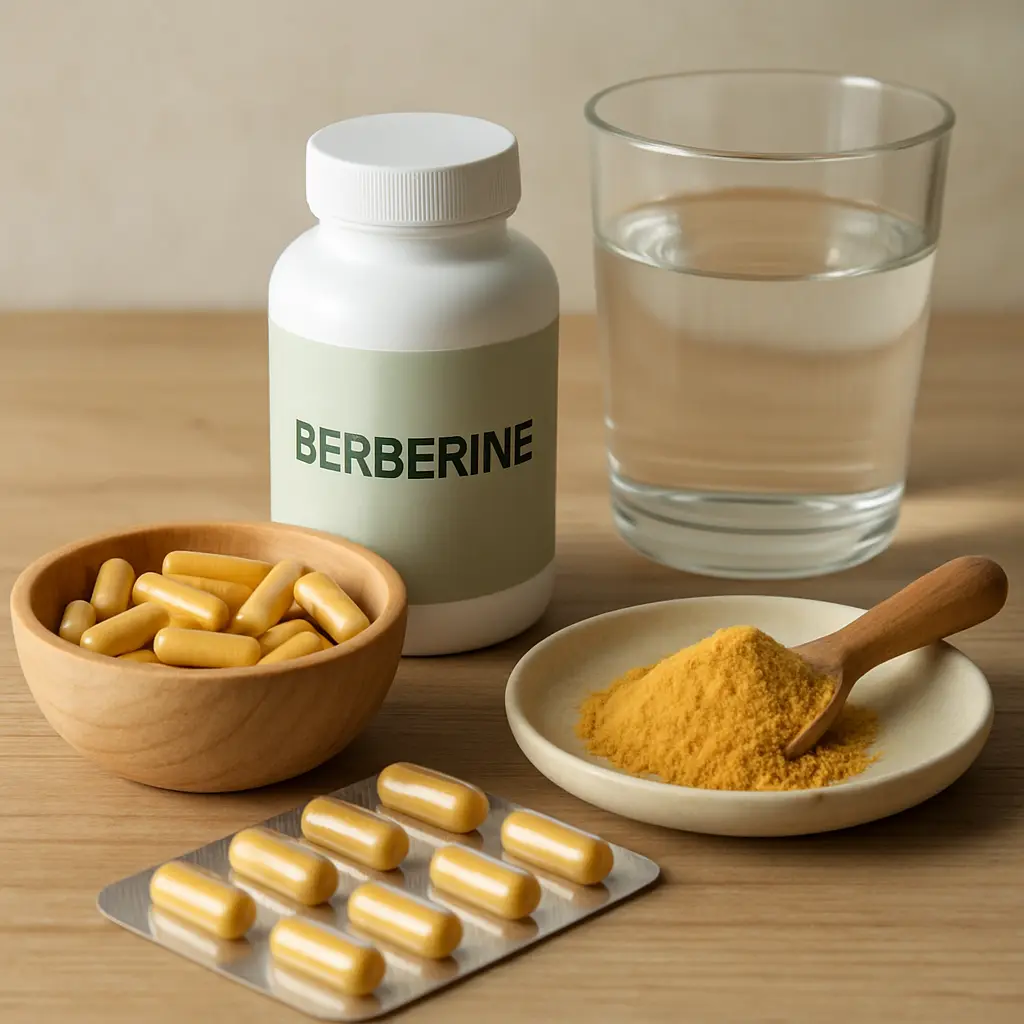
The Health Benefits and Applications of Berberine
In this page
Berberine is a natural compound that has been garnering significant attention within the scientific community due to its potential health benefits. Extracted mainly from plants like barberry and tree turmeric, berberine has been traditionally used in ancient medicine systems. Modern research primarily explores its effects on metabolic health, cardiovascular function, and neurological support. This article will delve into the scientific background of berberine, its potential effects on health, recommendations for daily use, and considerations for safe consumption.

Scientific Background and General Context
Berberine is an alkaloid found in various plants, with Berberis vulgaris (barberry) and Berberis aristata (tree turmeric) being prominent sources. Historically, these plants have been utilized in traditional medicine practices across different cultures due to their perceived therapeutic properties. The scientific inquiry into berberine’s health benefits traces back to its complex chemical structure, which interacts with various biological systems.Research indicates that berberine may act as a powerful agent in modulating metabolic processes. It appears to influence multiple pathways within the body, showcasing potential anti-inflammatory, antimicrobial, and glucose-regulating effects. Due to these characteristics, berberine is often evaluated for its role in managing chronic conditions such as diabetes, high cholesterol, and obesity.
Berberine and Metabolic Health
Blood Sugar Regulation
One of the most extensively studied benefits of berberine is its role in managing blood sugar levels. Clinical trials suggest that berberine supplementation can significantly improve glycemic parameters in individuals with metabolic disorders. It has been associated with reductions in fasting glucose levels, HbA1c (glycated hemoglobin), insulin levels, and insulin resistance markers like HOMA-IR. The mechanism by which berberine exerts these effects may involve enhancing insulin sensitivity and reducing the production of glucose in the liver.
Lipid Profile and Liver Health
Berberine has also shown promise in improving lipid profiles, which is crucial for cardiovascular health. Studies highlight that berberine can lower total cholesterol, LDL cholesterol (low-density lipoproteins), and triglycerides. Furthermore, evidence suggests that berberine may benefit individuals with non-alcoholic fatty liver disease (NAFLD) by reducing liver enzymes such as ALT (alanine aminotransferase) and AST (aspartate aminotransferase). These improvements in liver function markers indicate a potential protective role of berberine against liver-related ailments.
Berberine and Gut Health
Berberine’s impact on gut health is a growing area of research. It appears to modulate the gut microbiota, promoting the growth of beneficial bacteria such as Bifidobacterium and Akkermansia muciniphila. These bacteria are essential for maintaining gut health and have been linked to various health benefits, including improved immune function and metabolic health. Additionally, a healthy gut microbiota is crucial for the effective metabolism of berberine itself, suggesting a symbiotic relationship between the compound and gut health.
Daily Use and Lifestyle Applications
Optimal Timing and Dosing
For those considering berberine supplementation, timing and dosing are important factors for maximizing its benefits. It is generally recommended to take berberine before carbohydrate-rich meals to enhance its glucose-regulating effects. Typically, berberine is consumed in divided doses, ranging from 300 to 500 mg, two to three times daily. The total daily intake should not exceed 1500 mg.
Complementary Diet
To support the efficacy of berberine, maintaining a balanced diet is crucial. Incorporating vegetables, fruits, whole grains, lean proteins, and healthy fats can amplify its benefits. Foods rich in fiber, such as brown rice and oats, aid in stabilizing blood sugar levels. Lean proteins, including poultry, fish, and legumes, provide essential amino acids that support muscle mass and glucose utilization. Healthy fats from sources like olive oil, avocados, and nuts can reduce inflammation and enhance cognitive function. Fermented foods like kefir and sauerkraut also support gut microbiota, potentially increasing berberine’s bioavailability.
Balanced Perspective and Safety
While berberine exhibits promising health benefits, it is essential to approach its use with caution. Potential side effects may include gastrointestinal discomfort, such as diarrhea, constipation, or stomach cramps, particularly at higher doses. Individuals with certain health conditions or those taking specific medications should consult healthcare professionals before beginning berberine supplementation, as it may interact with prescribed drugs.Consistency and moderation are key when using berberine. Long-term studies on its safety and efficacy are still emerging, hence the importance of informed and guided usage. Engaging with a healthcare provider can ensure its safe incorporation into one’s health regimen.
Conclusion
Berberine offers an intriguing blend of traditional knowledge and modern scientific research, making it a subject of considerable interest in the health and wellness community. Its potential to improve metabolic health, support cardiovascular function, and promote gut microbiota balance underscores its versatility as a natural supplement. However, as with any supplement, informed decision-making and professional guidance remain fundamental to its effective and safe use. As research continues to unfold, berberine may establish itself as a valuable component of integrative health strategies.


