
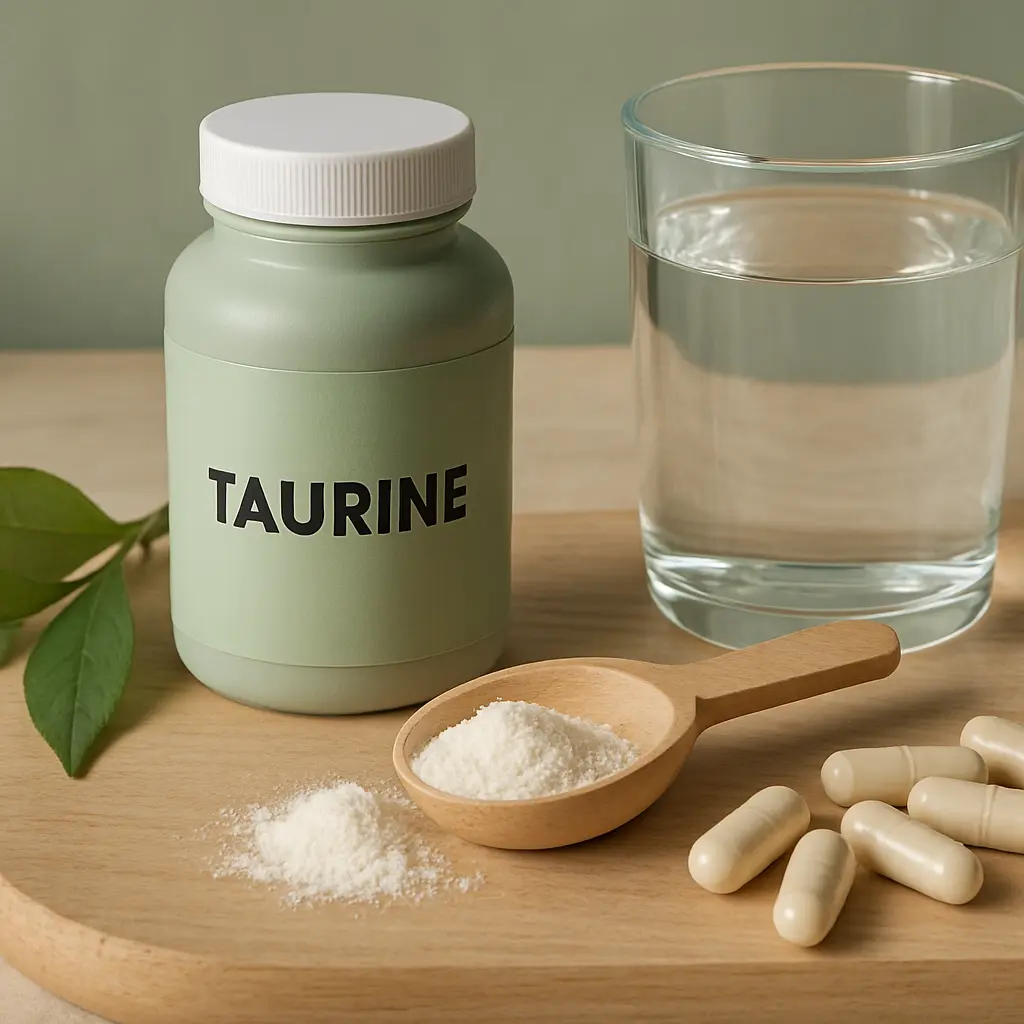
The Role of Taurine in Health and Athletic Performance
In this page
Taurine is a well-known compound often discussed in the context of health and sports supplementation. While not a protein-forming amino acid, it plays crucial roles in various bodily functions. This article delves into what taurine is, its properties, health benefits, and its impact on physical performance. Additionally, we will explore its natural dietary sources, optimal dosing, and any potential side effects to help you make informed decisions about incorporating taurine into your lifestyle.
Scientific Background and General Context
Taurine is an organic compound categorized as a sulfur-containing amino acid. Unlike common proteinogenic amino acids, taurine is not used in protein synthesis. Instead, it is abundantly present in the human body, particularly in tissues like the muscles, brain, heart, and retina, where it participates in an array of biological processes.The body can synthesize taurine from other amino acids, namely methionine and cysteine, in the presence of vitamin B6. However, under certain conditions such as intense physical exertion, stress, or illness, endogenous production may not suffice, leading to the consideration of dietary supplementation.
Properties of Taurine
Taurine is involved in many critical physiological processes:- **Cellular Hydration and Electrolyte Balance:** It helps regulate the balance of electrolytes within cells, supporting cellular hydration and homeostasis.- **Antioxidant Activity:** Taurine possesses antioxidant properties, helping to protect cells from damage caused by free radicals.- **Cardiovascular Health:** It supports heart muscle function and regulates blood pressure, contributing to cardiovascular health.- **Neurological Function:** Taurine acts as a neurotransmitter and neuromodulator, supporting the transmission of nerve signals and possibly influencing mood and cognitive function.- **Retinal Health:** It is crucial for maintaining the health of the retina, protecting against degeneration related to aging or excessive screen exposure.
The Benefits of Taurine Supplementation
Support for Athletes
Taurine is a popular supplement in the athletic community. It aids in enhancing physical performance by facilitating electrolyte balance and reducing fatigue. Moreover, taurine can assist in post-exercise muscle recovery by minimizing microtrauma and inflammation, making it a preferred choice for athletes engaging in high-intensity workouts.
Cardiovascular Support
Research indicates taurine’s beneficial effects on the cardiovascular system. It offers protective effects on the heart muscle, helps normalize heart rhythm, and lowers blood pressure. Therefore, taurine supplementation is often recommended for those with cardiovascular concerns.
Nervous System Support
Taurine plays a significant role in nerve signal transmission, which may improve concentration, alleviate stress, and bolster cognitive functions. This makes it an attractive supplement for individuals involved in mentally demanding tasks, such as students or professionals in high-stakes environments.
Eye Health
As a primary component of the retina, taurine supplementation can support ocular health, especially for individuals subject to prolonged screen time. It helps maintain visual acuity and may slow degenerative changes in the eye.
Daily Use and Lifestyle Applications
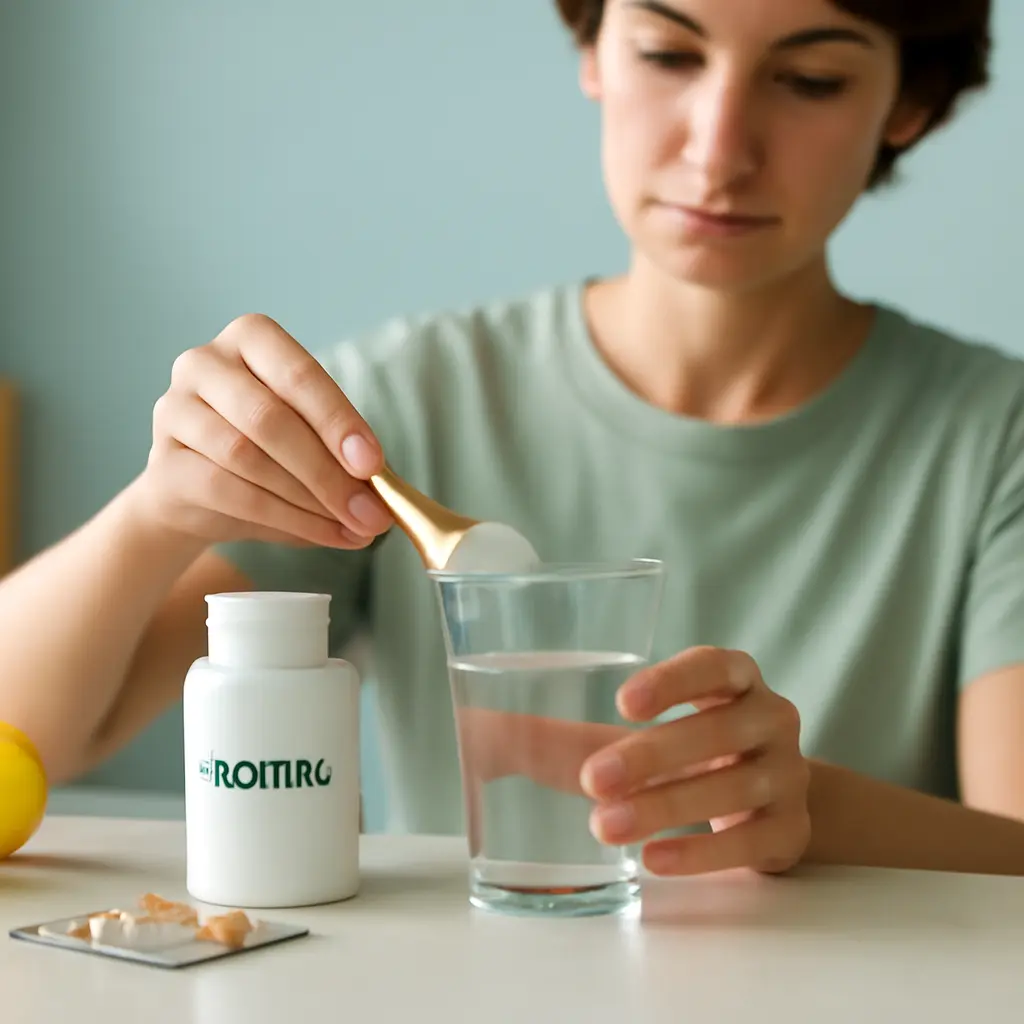
When considering taurine supplementation, the appropriate dosage depends on individual health goals and physiological needs. Typically, taurine is taken in powder or capsule form, with water, often timed to coincide with workouts or meals to optimize absorption and efficacy.
Natural Dietary Sources of Taurine
Animal-derived foods are the primary sources of taurine in the diet. Key sources include:- Meat and poultry- Fish and seafood- Dairy productsFor individuals adhering to a vegetarian or vegan diet, taurine intake might be lower, and supplementation could be beneficial to maintain optimal bodily function.
Balanced Perspective and Safety
Taurine is generally regarded as a safe supplement, even in relatively high doses. Most people tolerate it well, with few experiencing mild or transient side effects. However, it is advisable for individuals with chronic conditions such as kidney or heart disorders to consult healthcare providers before initiating supplementation.
Potential Side Effects
While rare, some individuals may experience:- Gastrointestinal discomfort- Mild dizziness or headachesMonitoring individual responses and starting with lower doses can minimize such effects.
Conclusion
Taurine is a versatile compound offering numerous health and performance benefits. Its regular consumption, together with a balanced diet and active lifestyle, can aid in supporting various bodily functions. Nonetheless, it is crucial to tailor dosages to personal needs and seek medical advice if uncertainties about taurine use arise. By understanding its role, you can make informed decisions about how taurine supplementation may enhance your well-being.


