
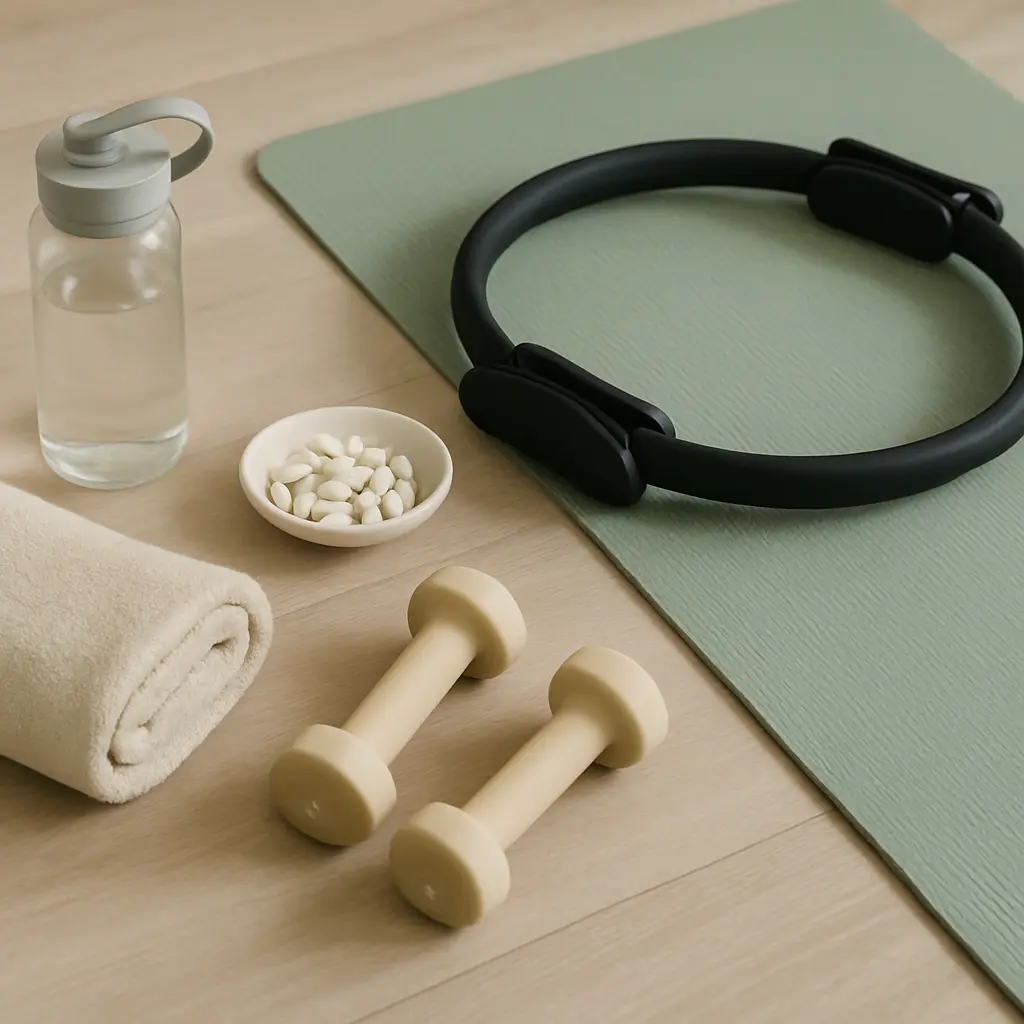
The Role of Pilates in Health and Weight Management
In this page
Pilates has emerged as a globally recognized form of exercise that offers a balanced approach to health and fitness by incorporating elements of stretching, muscle strengthening, and balance improvement. Originally developed in the early 20th century, Pilates is renowned for its accessibility to individuals of all ages and fitness levels, making it a popular choice for beginners and experienced practitioners alike. This article explores the characteristics of Pilates, its benefits for physical fitness and weight management, and how it can be integrated into a healthy lifestyle.
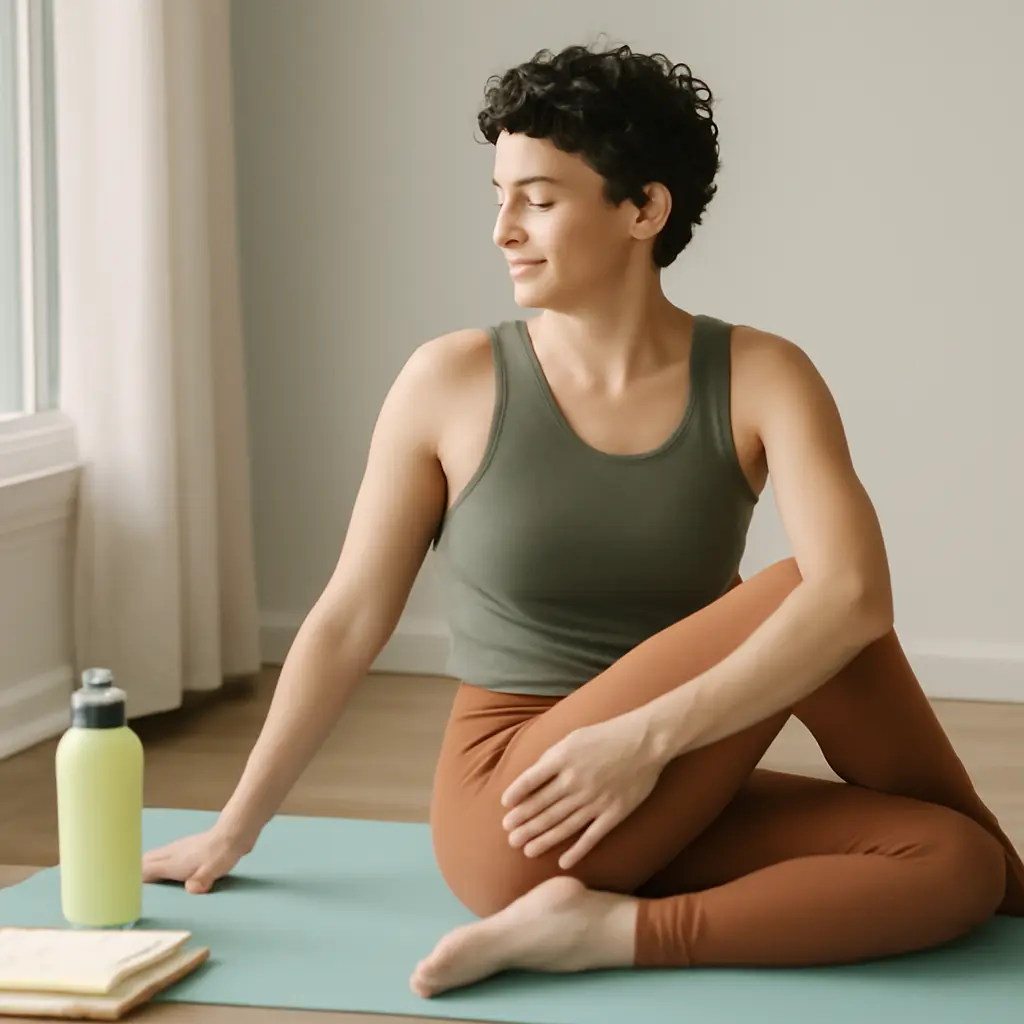
Scientific Background and General Context
Originating from the innovative mind of Joseph Pilates in the early 1900s, Pilates exercises were designed to enhance muscle control, improve posture, and increase body flexibility. The philosophy behind Pilates emphasizes precision, control, and alignment. Unlike traditional forms of exercise that may focus on high-intensity and rapid movements, Pilates encourages slow, deliberate motions combined with breathing techniques to promote mental and physical concentration.The foundational concept of Pilates lies in its focus on core strength, which involves the deep abdominal muscles, back muscles, and the pelvic region. This core stability is crucial for supporting the spine and is essential for overall body balance and coordination. Consequently, Pilates is not merely a form of physical exercise but also a practice that enhances body awareness, reduces muscle tension, and can serve as a rehabilitative tool for those recovering from injuries.
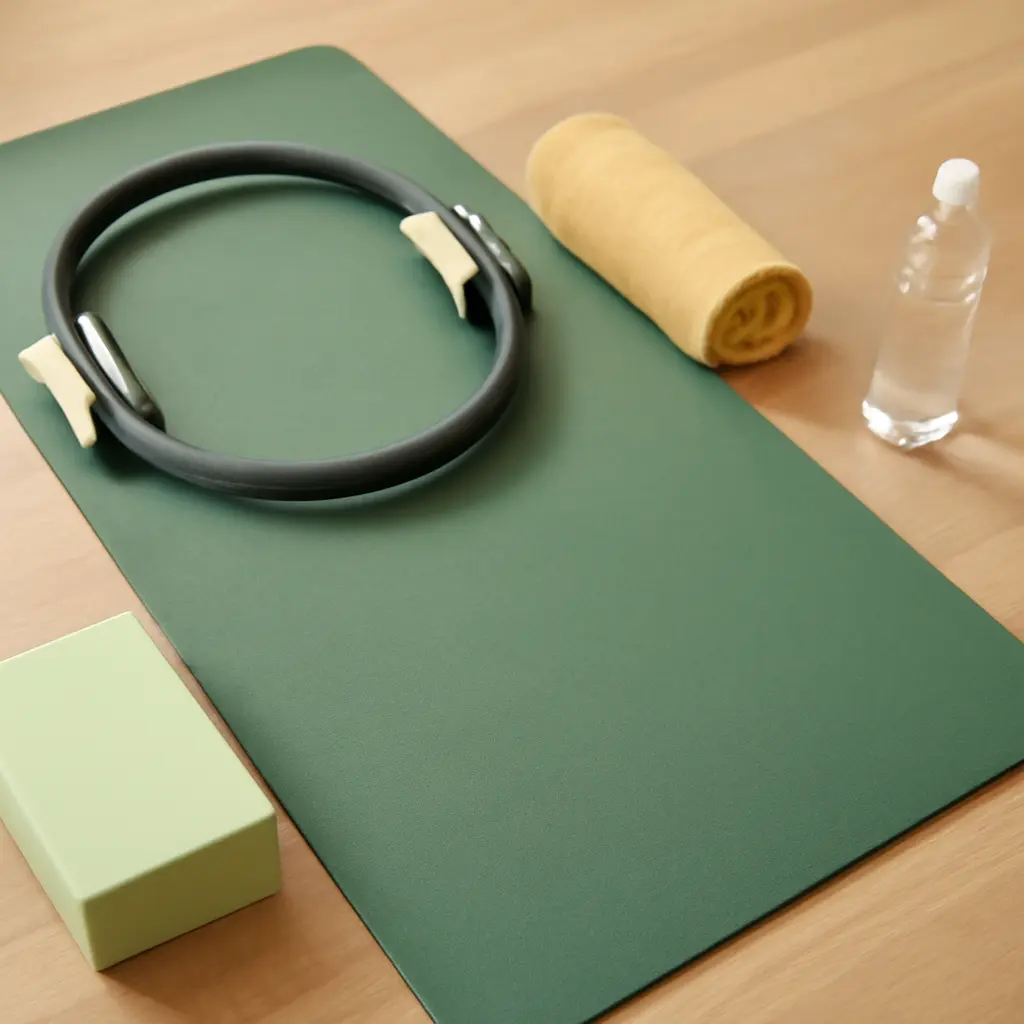
Characteristics of Pilates
Pilates is characterized by its low-impact and adaptable nature, making it suitable for people with varying levels of fitness and mobility. The exercises are commonly performed on a mat or using specialized equipment such as reformers, which add resistance to the movements. This adaptability of Pilates exercises means they can be tailored to suit personal fitness goals, whether it be improving flexibility, building strength, or enhancing balance.The exercises in Pilates require the engagement of stabilizing muscles, which contributes to joint support and overall body strength. This is particularly beneficial for individuals experiencing joint discomfort or those who are overweight, as the controlled nature of the movements minimizes the risk of injury. Additionally, Pilates exercises like leg lifts and torso rotations aid in restoring proper body mechanics, which are essential for performing everyday activities efficiently and safely.
Pilates and Physical Fitness
For many individuals, especially those managing excess weight, engaging in traditional high-impact exercises can pose challenges due to joint strain and limited mobility. Pilates, with its emphasis on controlled, mindful movements, offers an effective starting point for improving overall fitness and well-being. By focusing on core stabilization and flexibility, Pilates helps in fortifying the joints and enhancing their range of motion, which is vital for those experiencing weight-related discomfort.Moreover, the practice of Pilates can improve physical fitness by increasing body awareness, coordination, and posture. These improvements are not only beneficial for daily physical activities, such as lifting groceries or cleaning but also serve as a foundation for more advanced physical endeavors. This enhancement of body mechanics can lead to an increased motivation for engaging in other forms of physical activity, thereby promoting a more active lifestyle.
Pilates and Weight Management
While Pilates is not typically classified as a high-intensity aerobic workout, it plays a significant role in weight management by contributing to an overall caloric deficit. Regular practice of Pilates, especially when integrated with other activities like walking, yoga, or light jogging, can aid in burning calories, thus supporting weight loss goals. By enhancing muscle tone and body composition, Pilates indirectly aids in the increase of basal metabolic rate, which can result in higher calorie expenditure even at rest.Importantly, Pilates complements other forms of exercise and can be seamlessly combined with cardiovascular workouts and strength training to maximize energy expenditure and promote sustainable weight loss. For those who may find high-impact activities challenging, alternatives such as swimming or using stationary bikes can be considered to enhance fitness levels without imposing additional stress on the joints.
Balanced Perspective and Safety
Incorporating Pilates into a regular fitness routine offers numerous benefits, yet it is essential to approach it with a balanced perspective. While Pilates enhances core strength, flexibility, and coordination, it should not be the sole focus for those seeking significant weight loss. A comprehensive approach that includes a healthy diet, regular physical activity, and lifestyle modifications is crucial for achieving and maintaining desired weight outcomes.Safety is paramount when practicing Pilates, particularly for beginners or those with pre-existing health conditions. Consulting with a certified Pilates instructor can ensure that exercises are performed correctly, thereby minimizing the risk of injury. This guidance is especially beneficial when transitioning to more advanced Pilates techniques or incorporating equipment-based exercises.
Daily Use and Lifestyle Applications
Incorporating Pilates into daily life can be a practical way to enhance overall health and well-being. The practice can serve as a morning routine to energize the body, a midday break to relieve stress, or an evening activity to unwind. Its adaptability to various settings, including home, gym, or studio environments, makes Pilates a convenient choice for individuals seeking to integrate fitness into their lifestyle.For those interested in a structured approach, creating a weekly plan that balances Pilates with cardiovascular and strength training exercises can provide comprehensive health benefits. For instance, a beginner might engage in Pilates three times a week, supplemented by two cardio sessions and one strength training session. As proficiency in Pilates increases, adjustments can be made to incorporate more challenging exercises and varied fitness activities.
Conclusion
Pilates offers a holistic approach to health and fitness, promoting physical and mental well-being through its focus on core strength, flexibility, and balance. By serving as a gentle yet effective form of exercise, it provides a foundation for improved physical fitness and weight management. Integrating Pilates into a regular fitness routine, alongside a balanced diet and healthy lifestyle choices, can lead to lasting benefits and support overall health goals.


